


Meaning of the word PVC | Components and uses | WindoStyle | 2026
When searching for Meaning of the word PVC You'll find it's one of the most frequently used terms in construction, finishing, and various industries. Despite its widespread use, many people don't know what it means, the difference between it and uPVC, or why it has become such an essential material. Modern door and window manufacturing.
In recent years, PVC and uPVC window and door systems have become widespread in Egypt and globally thanks to their thermal and acoustic insulation, as well as their resistance to moisture and weathering. Therefore, understanding the nature and composition of this material has become essential for anyone considering installing new windows or doors in their home.
In this article from WindoStyle We will learn in detail the meaning of the word PVC, the material's components, its uses, and its most important advantages and disadvantages.The difference between it and uPVC.
What does the word PVC mean?
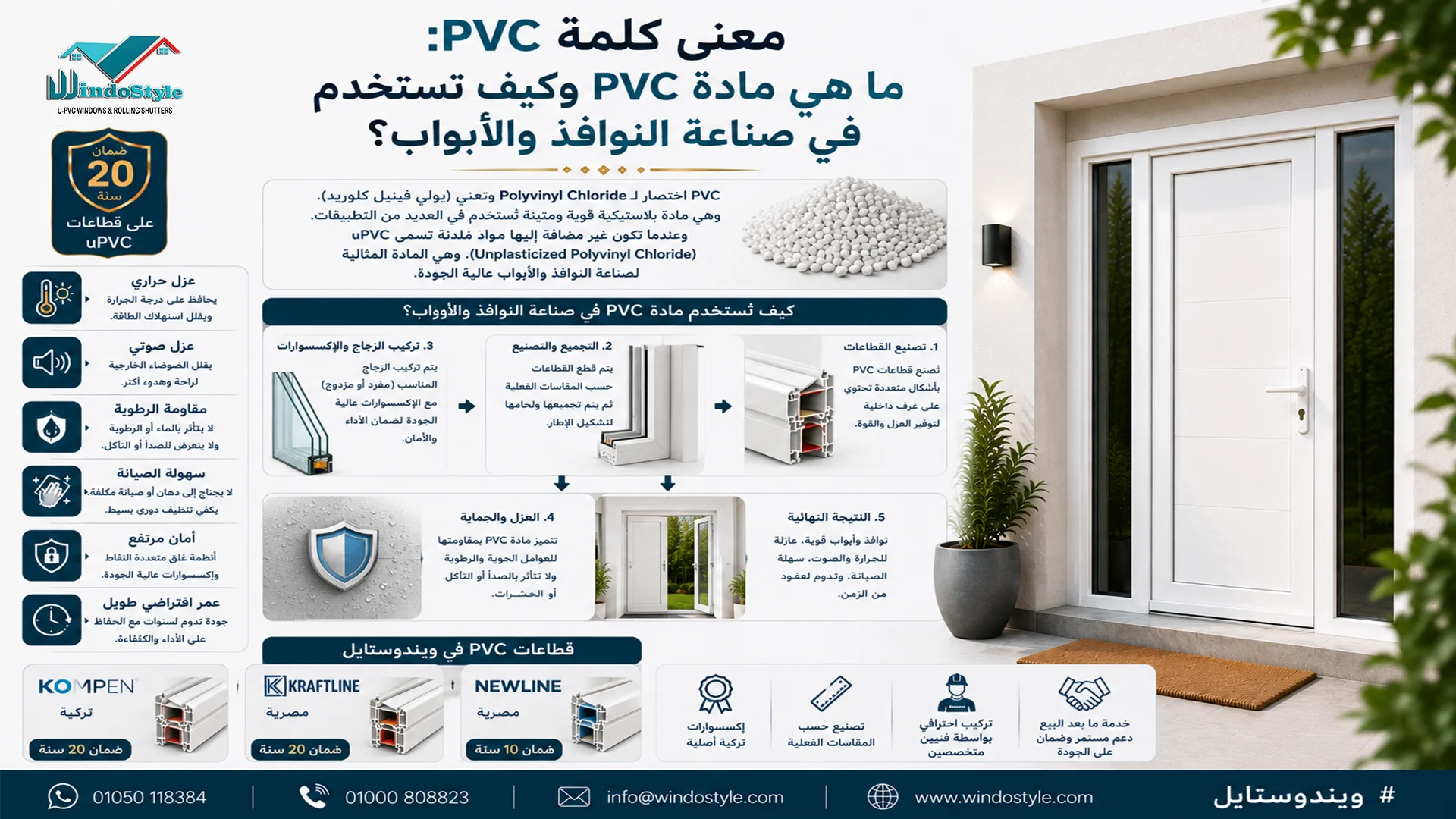
word PVC It is an abbreviation of the phrase:
Polyvinyl Chloride
It means in Arabic Polyvinyl chlorideIt is a synthetic plastic material produced through the reaction of vinyl chloride (Vinyl Chloride Monomer) To create a strong and versatile material.
PVC is one of the most widely used plastic materials in the world, and it is used in many industries such as:
- Water and drainage pipes.
- Electrical cables.
- Flooring.
- Doors and windows.
- The tanks.
- Medical and industrial applications.
It is one of the most produced and consumed materials in the global construction sector.
Get a Price Quote free
Within 24 hours!
Cost including shipping.
Product details.
Production Time
Product drawings.

What is PVC made of?
To understand Meaning of the word PVC More deeply, the basic components of the material need to be identified.
PVC material is mainly composed of:
1. Salt (chlorine)
Chlorine is extracted from natural salt and constitutes a large proportion of the raw material.
2. Ethylene
It is a compound derived from petroleum or natural gas.
When chlorine is combined with ethylene in specialized manufacturing processes, PVC material production Used in various applications.
Then some enhanced materials are added depending on the type of use required.
What is the difference between PVC and uPVC?
This is one of the most common questions asked by customers.
Regular PVC
It contains plasticizers that make it more flexible and pliable.
Therefore, it is used in:
- Hoses.
- Wires and cables.
- Some industrial applications.
uPVC
The letter U stands for:
Unplasticized
That is, the material does not contain the plasticizers used in traditional PVC.
This results in:
- Increased rigidity.
- Improved durability.
- Increased resistance to weathering.
- Improving structural performance.
This is why uPVC is used in the manufacture of modern windows and doors.
You can learn about uPVC window systems via:
Why is uPVC used in the manufacture of windows and doors?
Window manufacturers did not turn to uPVC material by chance.
Rather, it is because the material provides a range of important properties that users need in modern homes.
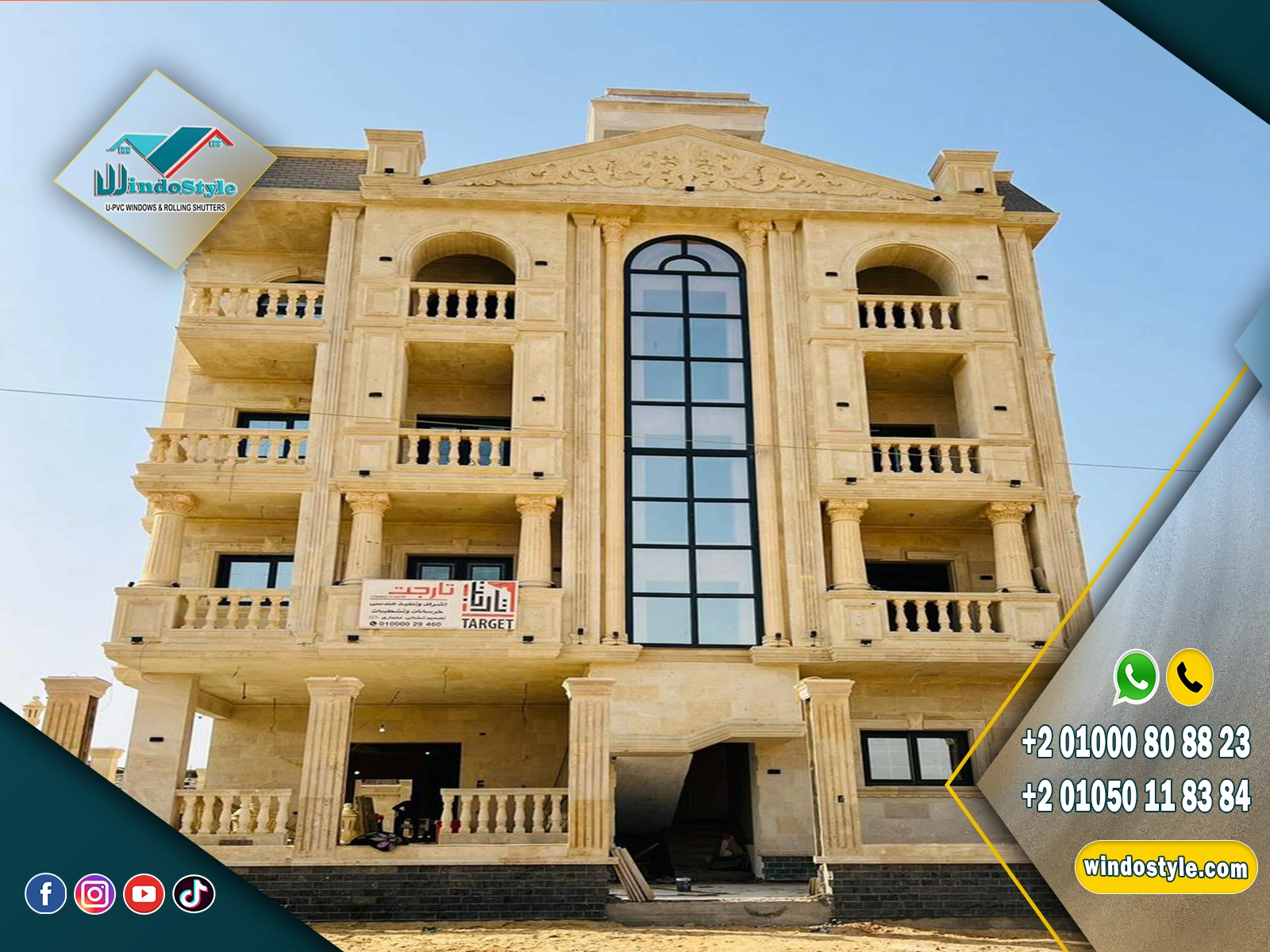
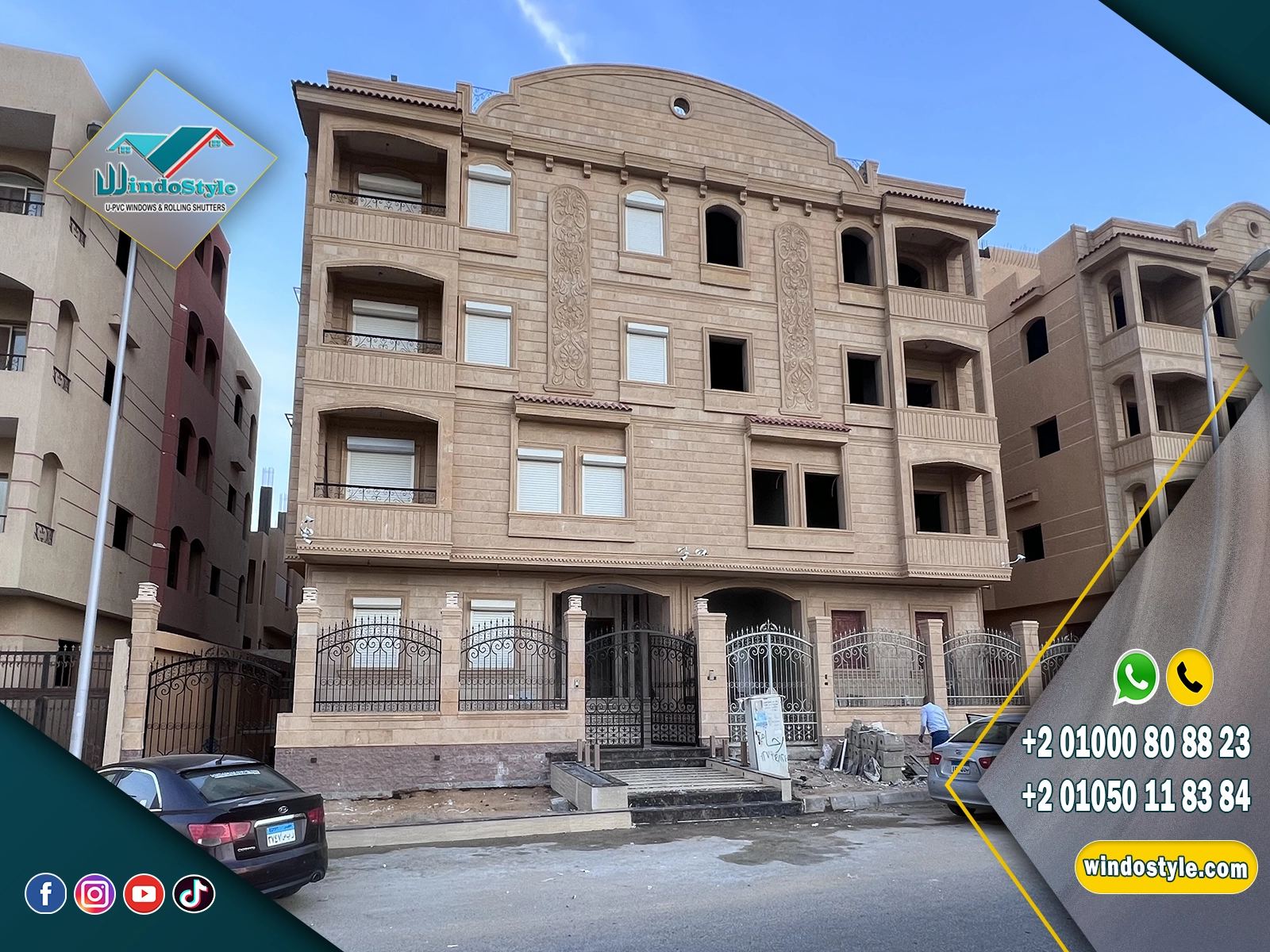
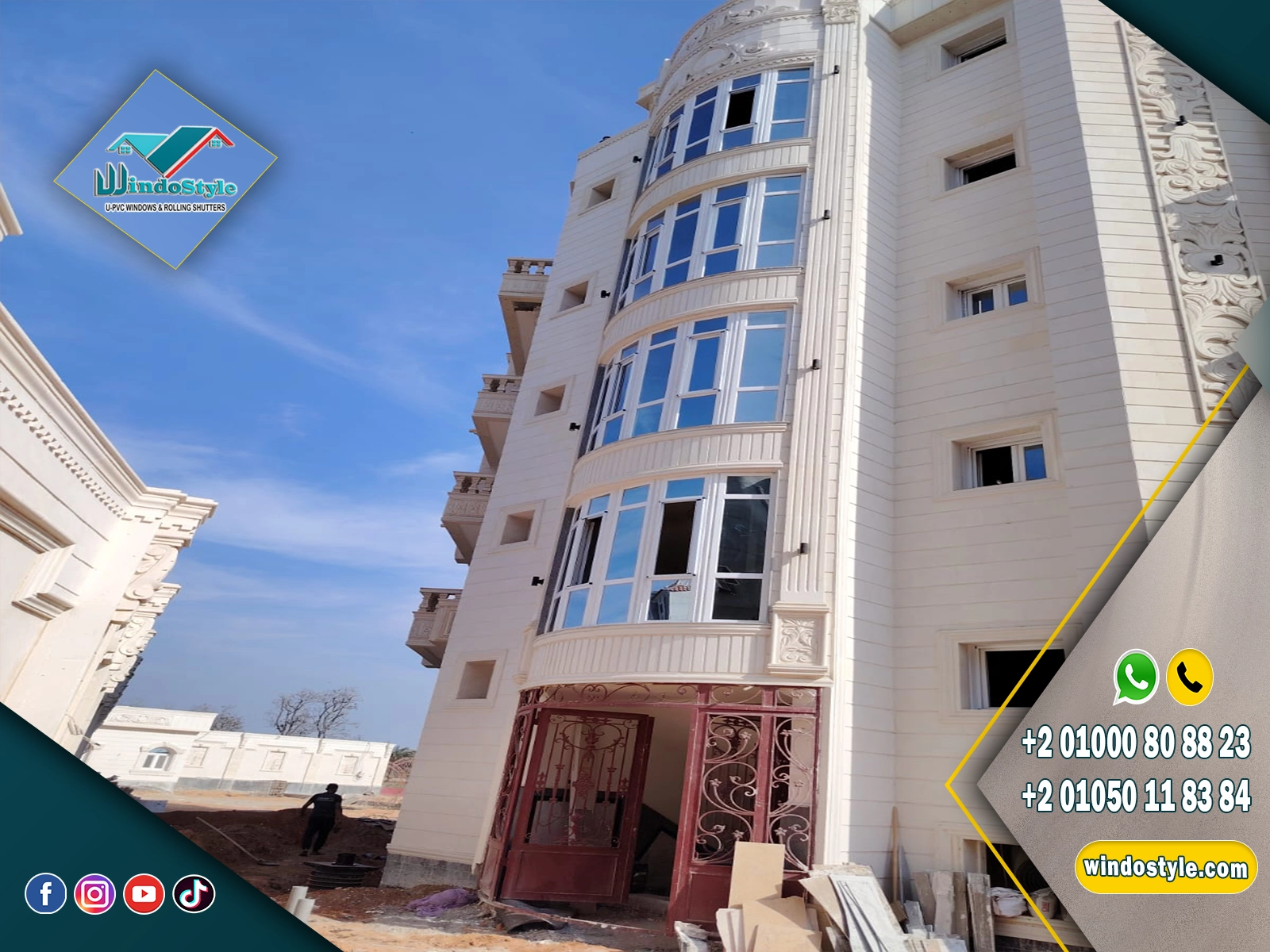
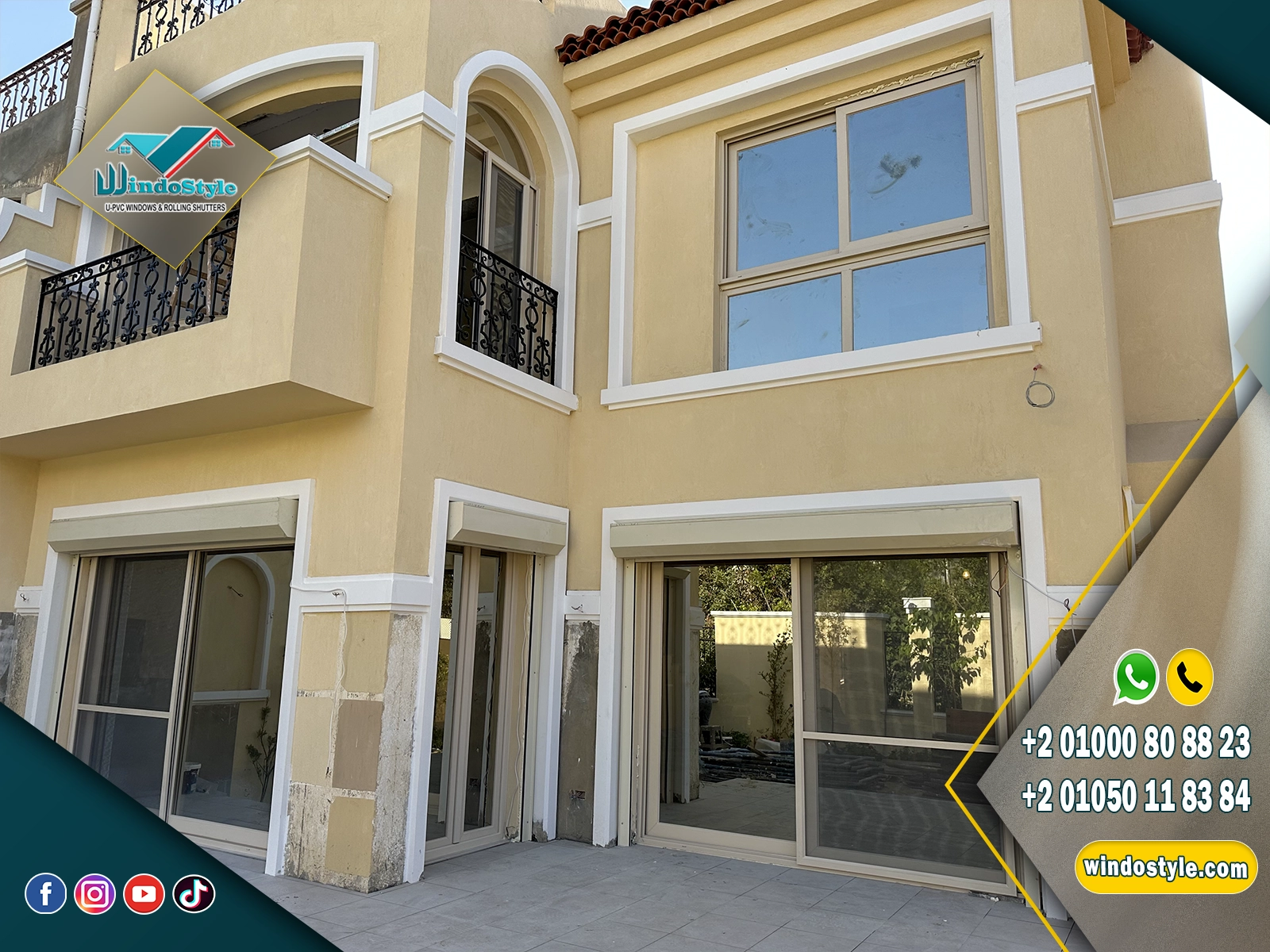
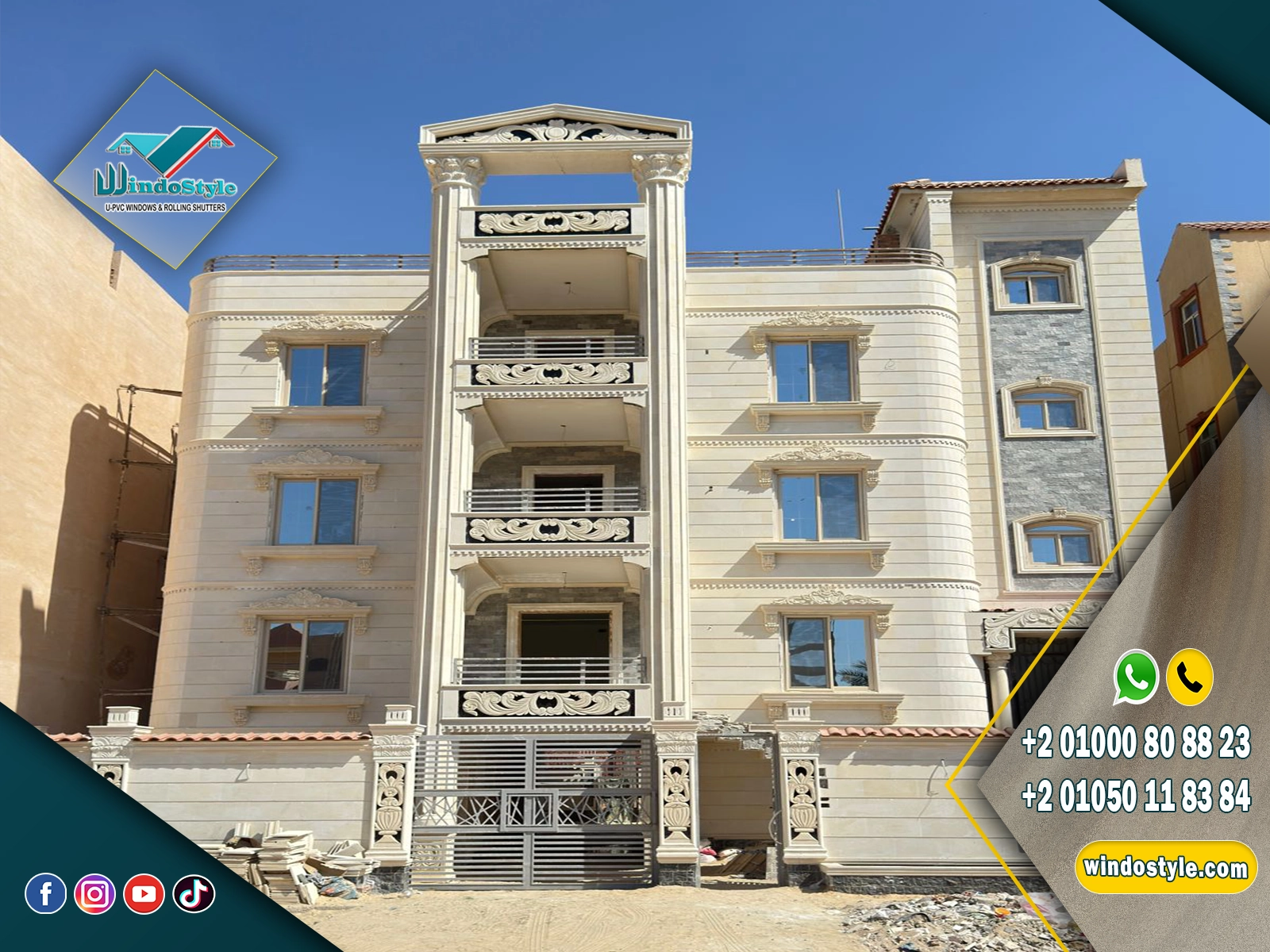
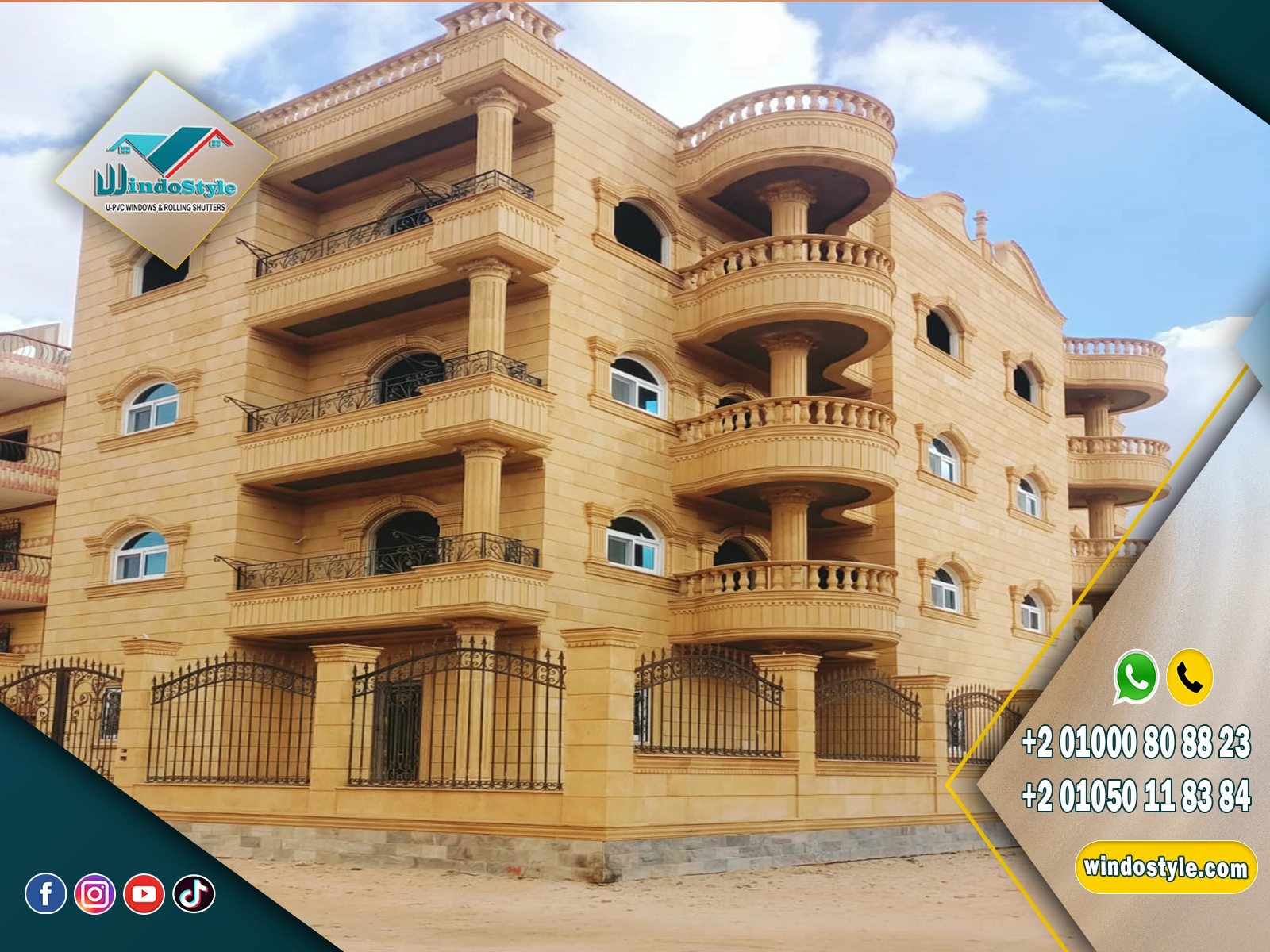
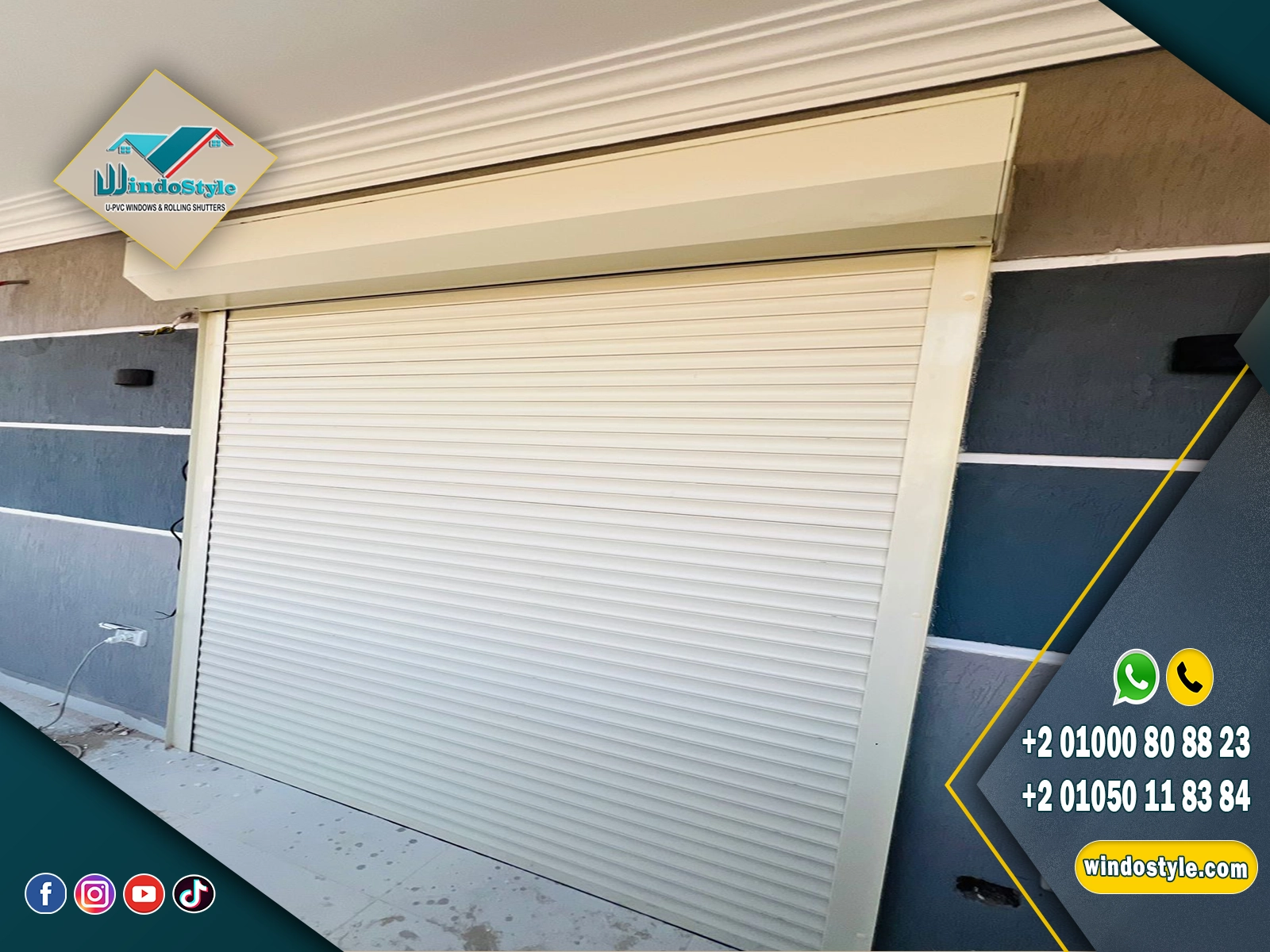
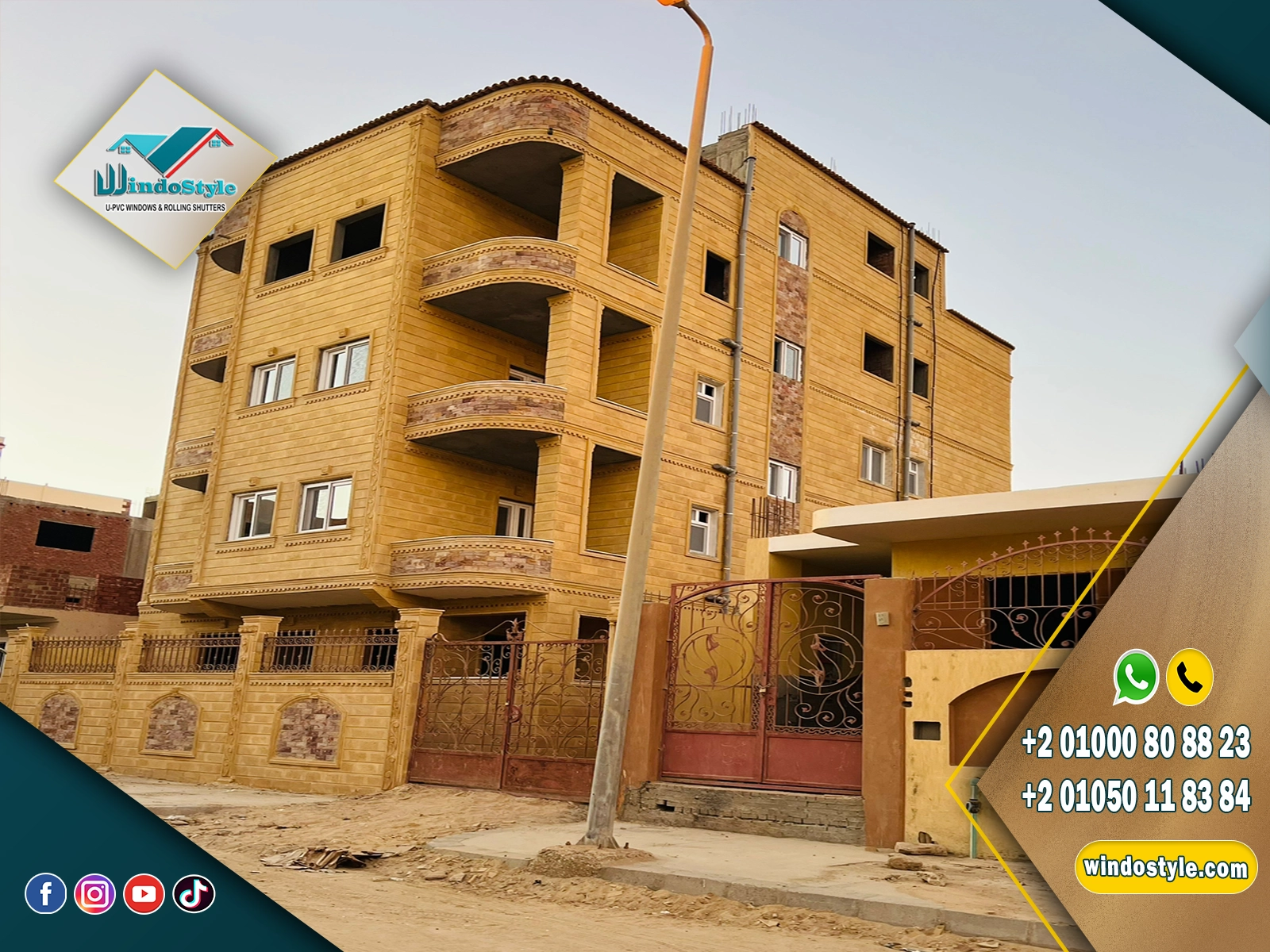
Many specialized European companies rely on VEKA This material is used in the development of modern window systems:


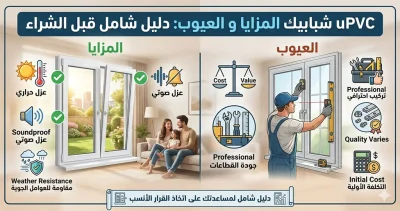
Features of uPVC material
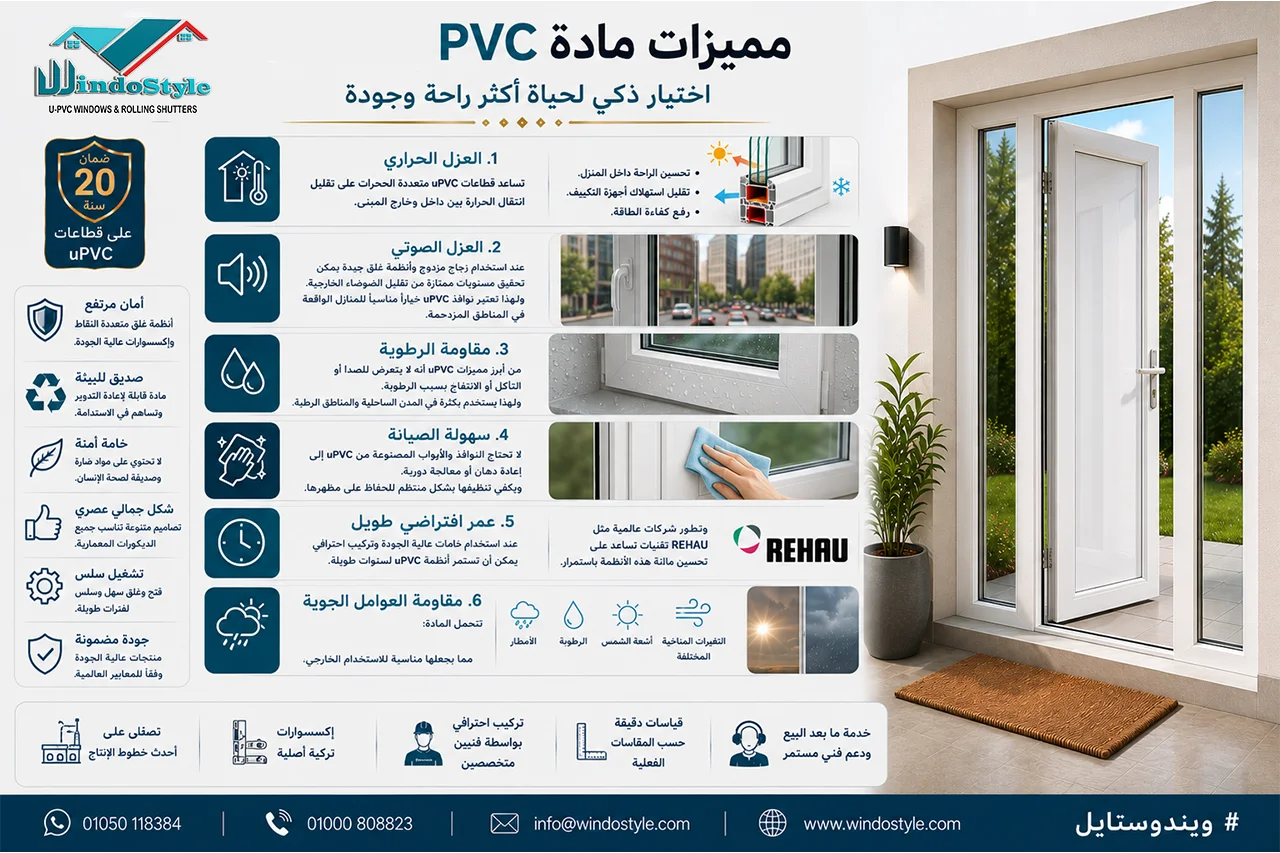
Thermal Insulation
Help uPVC Profiles Multi-chambered buildings reduce heat transfer between the inside and outside of the building.
This contributes to:
- Improving comfort within the home.
- Reduce the energy consumption of air conditioning units.
- Improving energy efficiency.
Sound Insulation
When using double glazing and good sealing systems, excellent levels of external noise reduction can be achieved.
Therefore, uPVC windows are a suitable option for homes located in crowded areas.
Moisture resistance
One of the most notable advantages of uPVC is that it is not susceptible to rust, corrosion, or swelling due to moisture.
Therefore, it is widely used in coastal cities and humid areas.
Easy Maintenance
uPVC windows and doors do not require repainting or periodic treatment.
Regular cleaning is sufficient to maintain its appearance.
Long-lasting lifespan.
When using high-quality materials and professional installation, uPVC systems can last for many years.
Global companies are constantly developing technologies that help improve the durability of these systems:
WindoStyle • For modern window solutions
Resistance to weather conditions
The material can withstand:
- Rainfall.
- Humidity.
- Sunlight.
- Various climate changes.
This makes it suitable for outdoor use.
PVC material defects
Despite the many advantages, it is important to be aware of some points that should be taken into consideration.
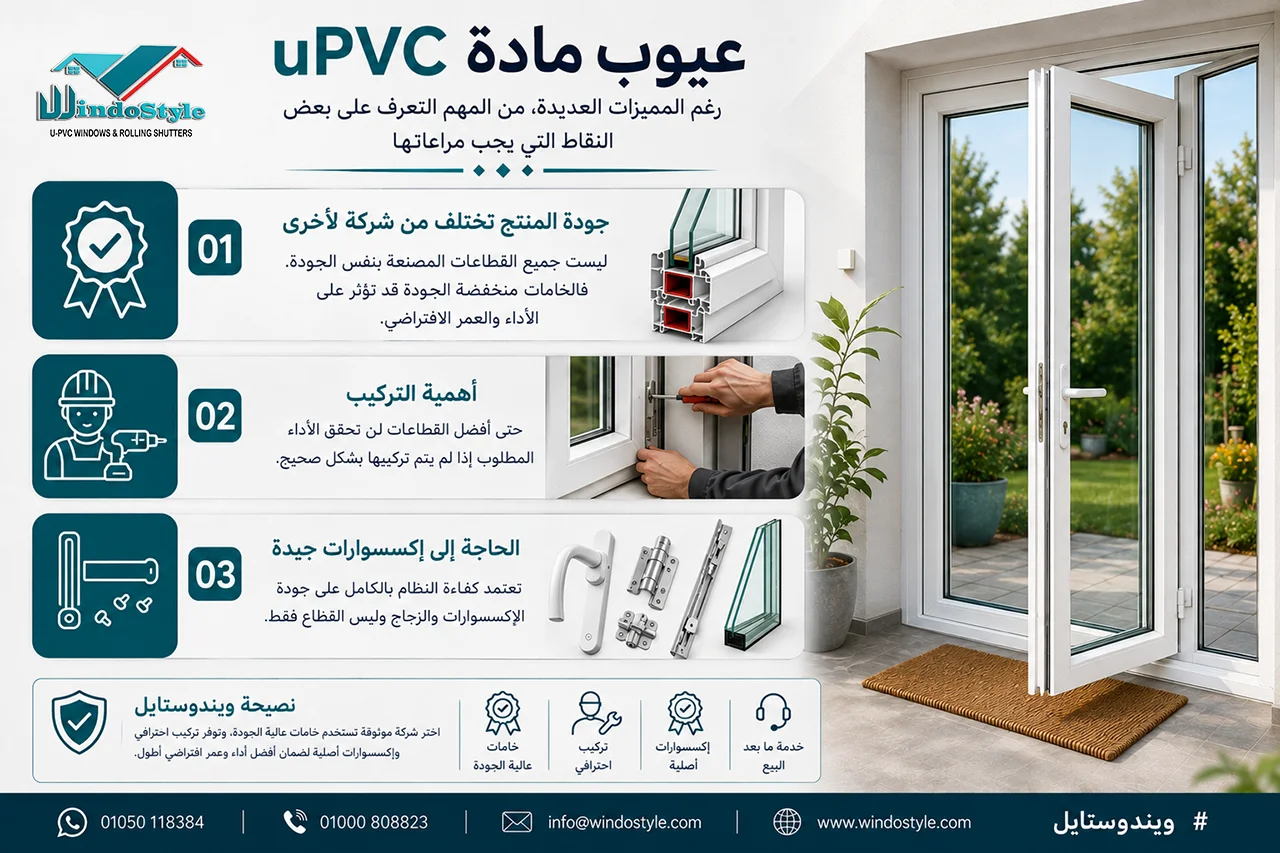
Product quality varies from company to company.
Not all manufactured sectors are of the same quality.
Low-quality raw materials can affect performance and lifespan.
The importance of composition
Even the best sectors will not achieve the desired performance if they are not installed correctly.
The need for good accessories
The efficiency of the entire system depends on the quality of the accessories and glass, not just the sector.
Uses of PVC in construction
PVC is used in many applications within the construction sector, such as:
windows and doors
It is one of the most widespread uses currently.
Doors
It is used in the manufacture of uPVC doors of various types.
You can view door systems via:
pipes
Used in water and sewage networks.
electrical cables
It is used as an insulating layer for wires.
Flooring and cladding
In some commercial and industrial applications.
Why have uPVC windows become so popular in Egypt?
Its spread is linked to several factors, the most important of which are:
- High temperatures.
- The need for sound insulation.
- Moisture resistance.
- Reducing electricity consumption.
- Reduced maintenance costs.
This is why it has become one of the most widely used systems in modern residential projects.
Why Do Customers Choose WindoStyle?
in WindoStyle We are committed to providing uPVC systems based on:
- High-quality sectors.
- Reliable accessories.
- A variety of glass solutions.
- Professional Installation
- Follow-up and technical support service.
You can also follow more specialized articles via:
Frequently Asked Questions
What does the word PVC mean?
It is an abbreviation of the word Polyvinyl Chloride It means polyvinyl chloride.
What is the difference between PVC and uPVC?
uPVC does not contain the plasticizers found in traditional PVC, so it has greater rigidity and durability.
Is PVC suitable for window manufacturing?
uPVC is specifically used in the manufacture of windows and doors because of its structural and insulating properties.
Is uPVC waterproof?
Yes, it is highly resistant to moisture, water and weather conditions.
Conclusion
When searching for Meaning of the word PVC We find that it is an abbreviation for polyvinyl chloride, one of the most widely used materials in the construction and industrial sectors. uPVC, on the other hand, is the unplasticized version of the material, which is characterized by greater rigidity and durability, making it suitable for the manufacture of modern windows and doors.
Thanks to their thermal and acoustic insulation, moisture resistance and long lifespan, uPVC systems have become one of the most widespread solutions in modern homes inside and outside Egypt.
No comment