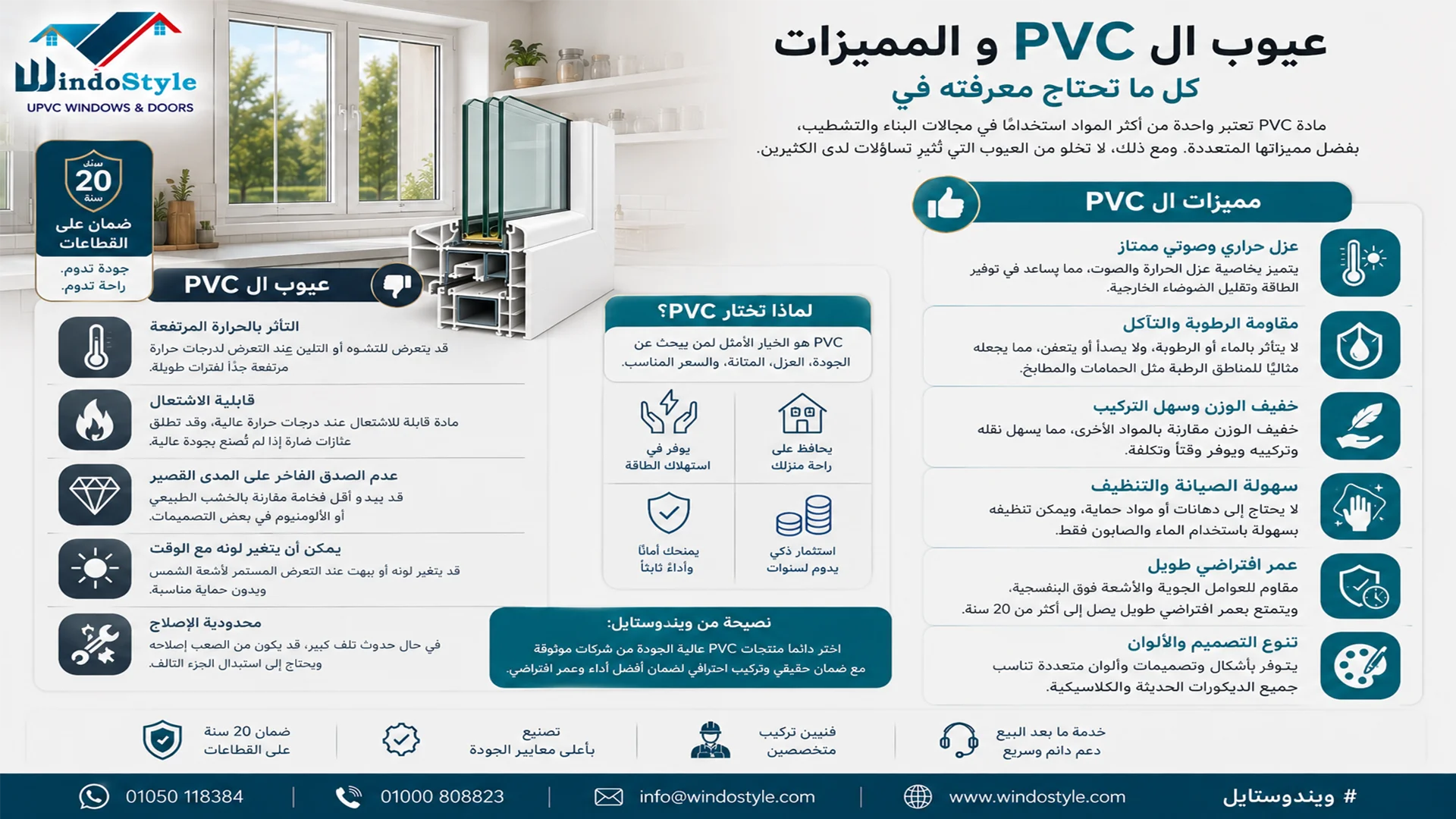
عيوب ال PVC و المميزات: كل ما تحتاج معرفته في 2025
PVC is one of the most widely used materials in construction and finishing, thanks to its numerous advantages. However, it is not without its drawbacks, which raise questions for many. This article will explore these drawbacks. PVC disadvantages and advantages Let us help you make the best decision. If you are looking for more details about the various disadvantages of this material, you can visit [website/link]. PVC window defects. PVC doors and windows: a practical choice PVC window prices have seen a clear improvement. PVC windows, smart design PVC window without problems Sheesh Hasir: A Complete Experience
What is PVC?
Polyvinyl chloride (PVC) is one of the most popular plastics available. Its combination of durability and versatility makes it widely used in numerous applications, particularly in construction and industry. But what makes it unique? And did you know that this material has been under development for many years? In this section, we'll explore the history of the material and its various uses.
History of PVC: An explanation of the development and use of PVC
PVC is not a modern invention; its roots extend back to the 19th century. The material was first discovered in 1835 by the French scientist Henri Victor Renaud, who observed the substance produced when vinyl chloride was exposed to heat. It took decades to develop suitable manufacturing methods to transform it into a material suitable for industrial use.
In the early 20th century, PVC began to gain popularity after its manufacturing techniques were improved, such as the introduction of additives to enhance its flexibility and durability. Thanks to its corrosion-resistant properties, it became a symbol of modern technology in construction and the medical industry. If you are interested in learning more about the material's properties and effects, you can visit [website/link]. PVC material damage.
Uses of PVC: A detailed look at the uses of PVC in construction and manufacturing
PVC is known for its flexibility and versatility in many fields. Some of its most important uses include:
- Construction and building:
- Pipes: PVC pipes are used in sewage and water networks thanks to their corrosion resistance.
- Flooring: It is an economical and popular choice for waterproof flooring.
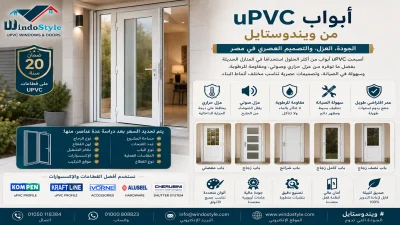
- Windows and doors: They feature a lightweight structure and high durability, making them ideal for modern structures.
- Medical industries:
- They are used in the manufacture of blood bags and medical tubing because they are durable and non-reactive with liquids.
- Packaging:
- PVC plastic covers are used to protect food and industrial products.
- Electrical industries:
- PVC material is ideal for covering cables and wires because of its high resistance to electric current and water.
You can learn about more exciting uses for this material in a comprehensive guide on Best types of PVC.
PVC simply offers a variety of solutions to suit different needs, from construction to industry, and remains one of the most widely used materials globally. But are you wondering about its advantages and disadvantages? We'll discuss this further in the following sections.
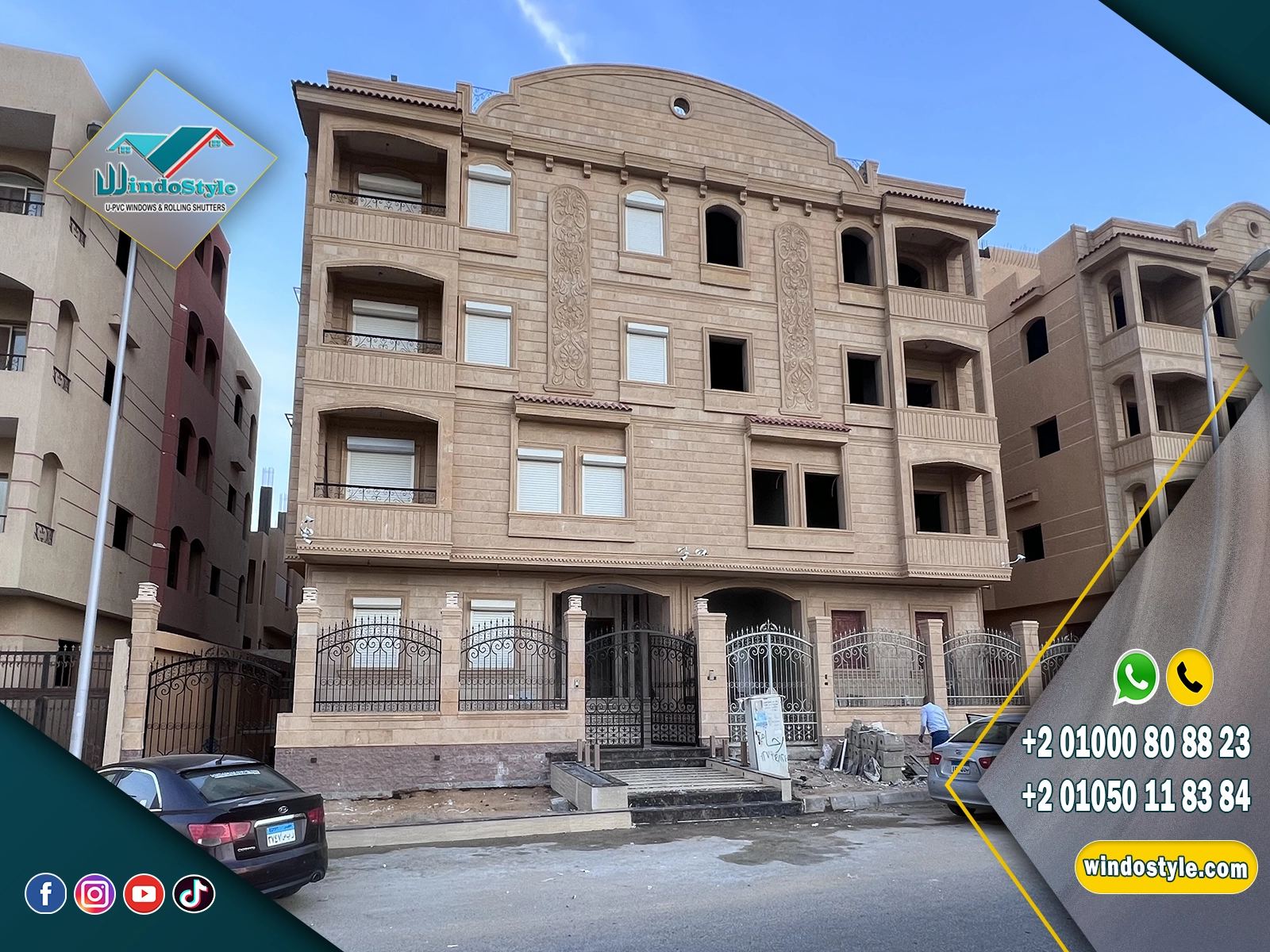
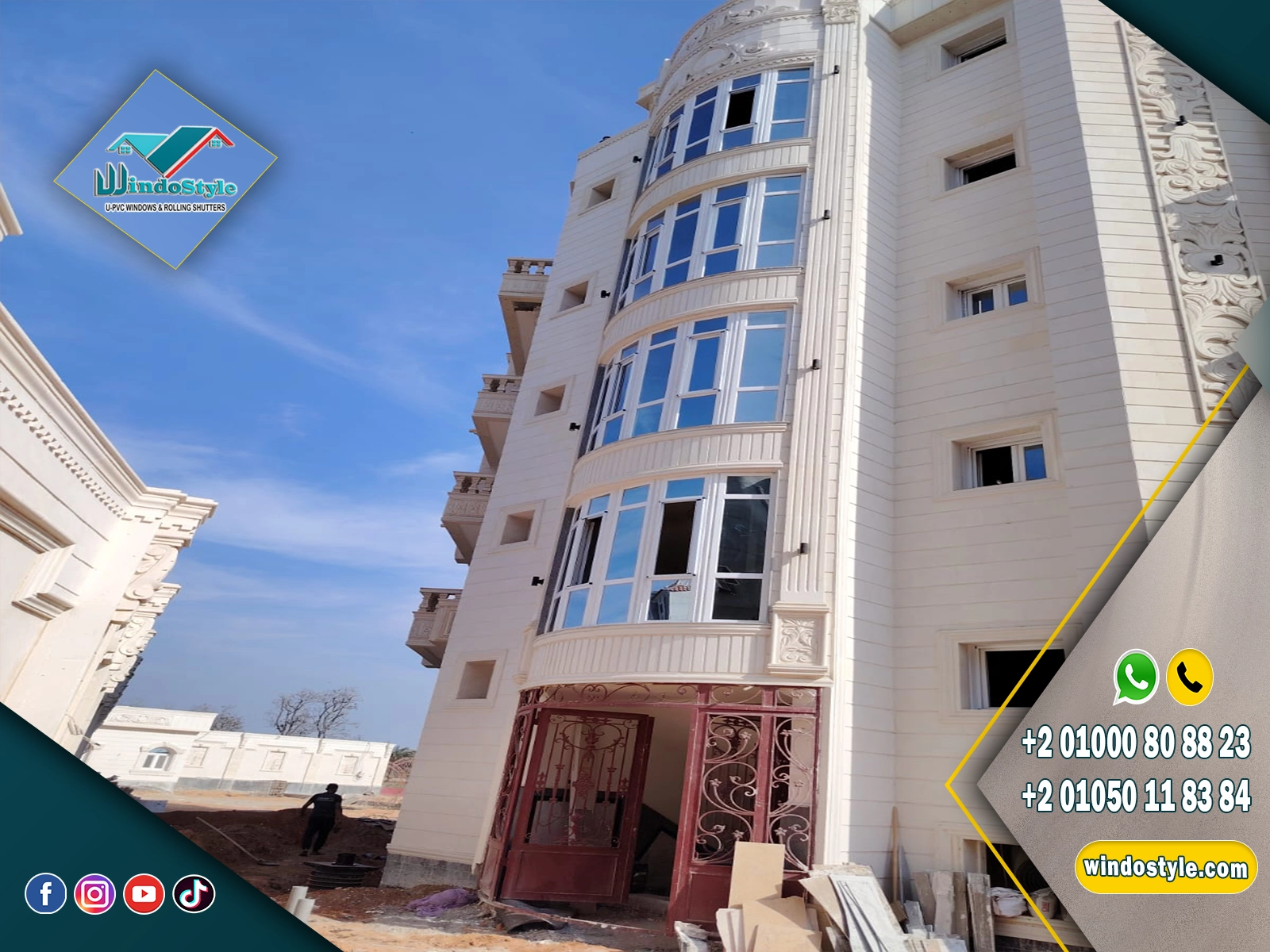
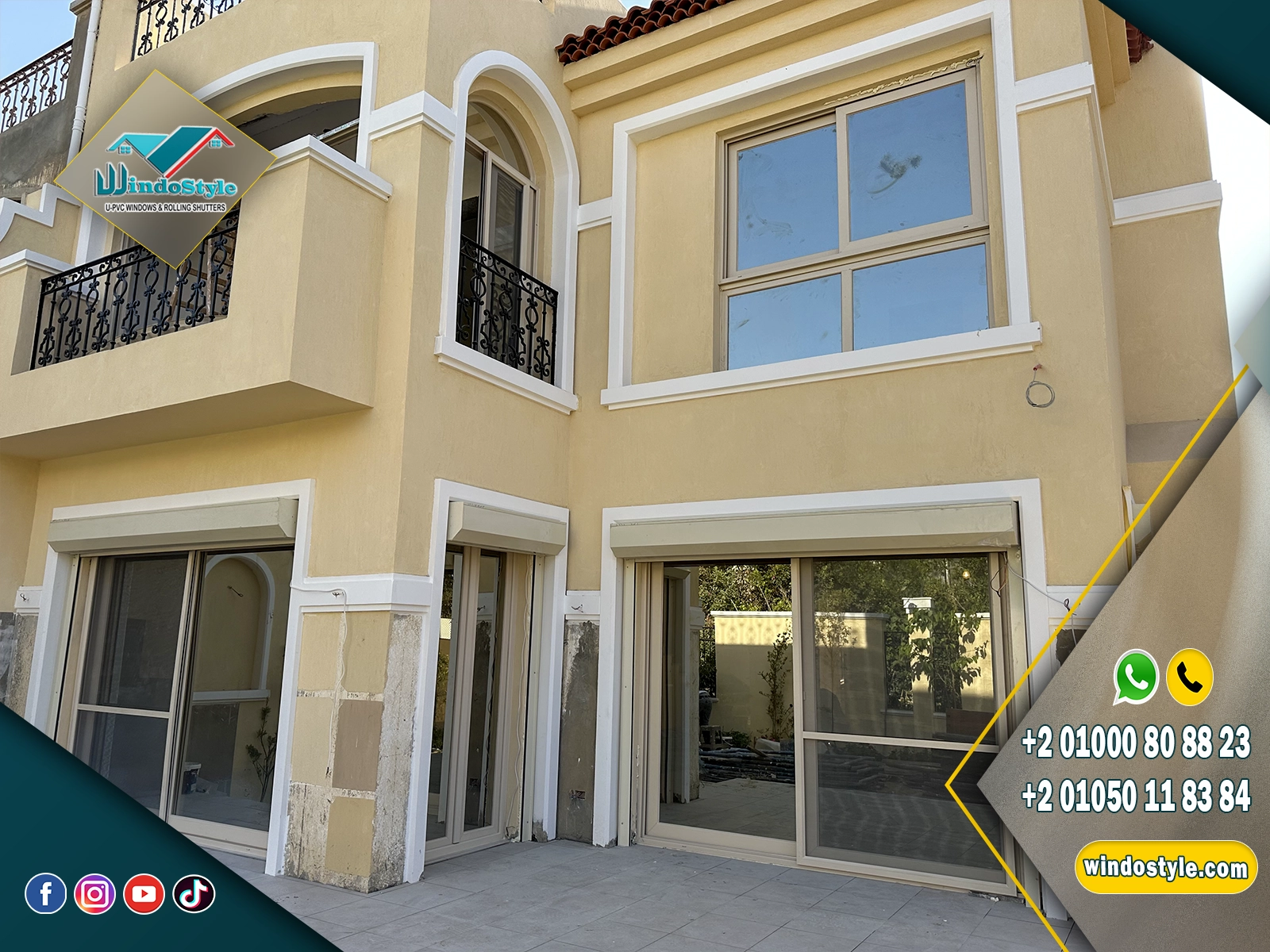
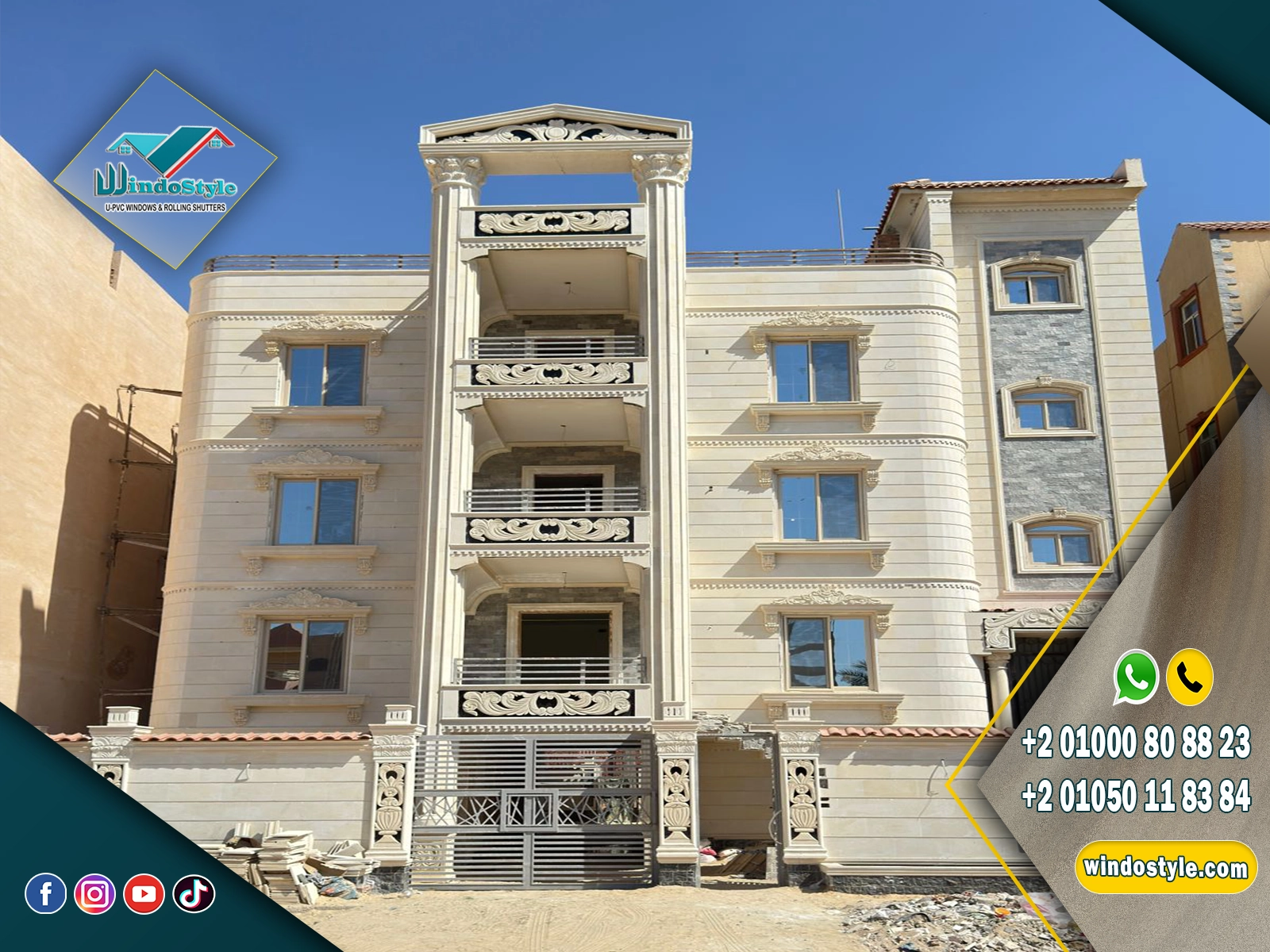
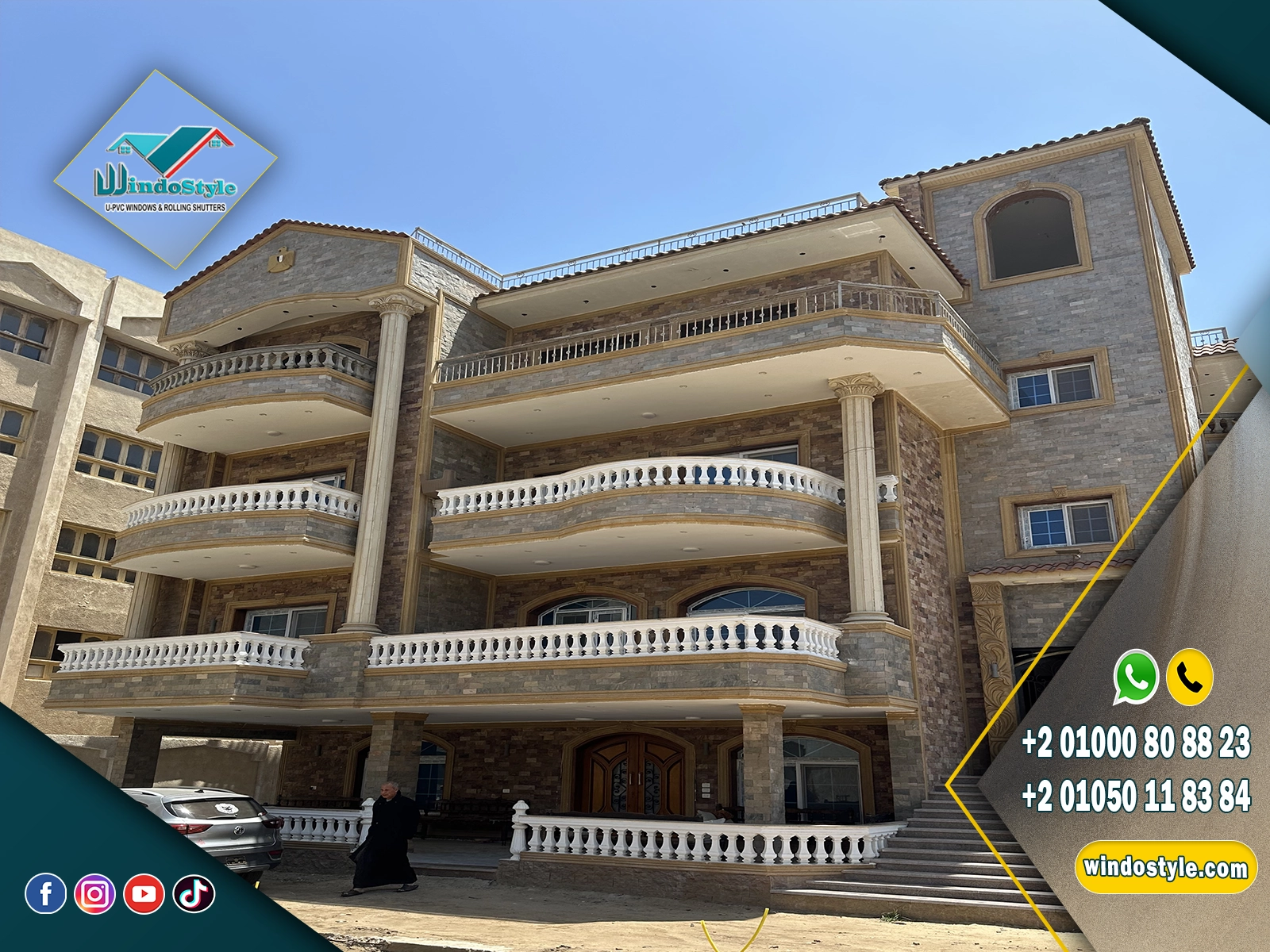
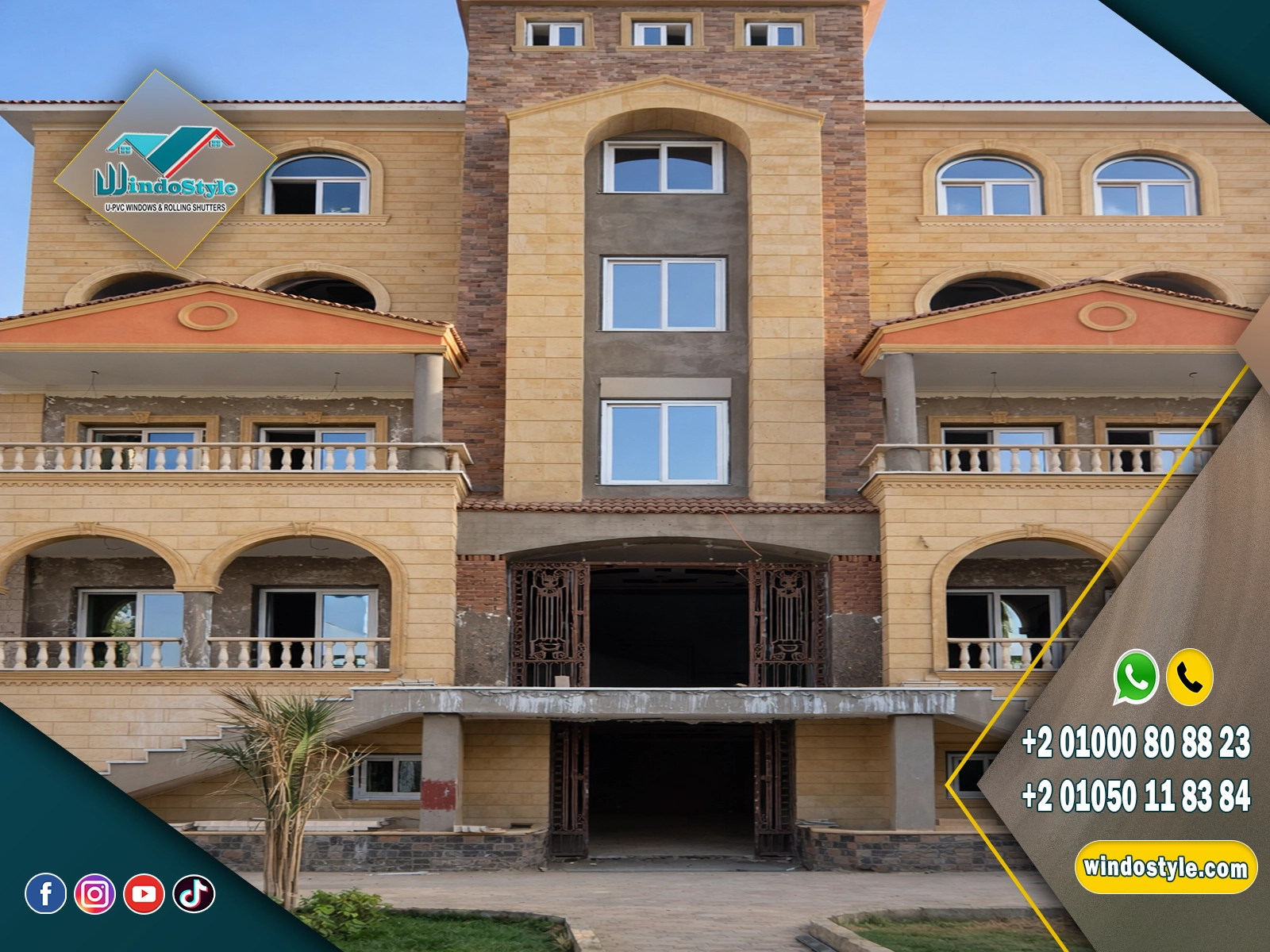
Latest Projects
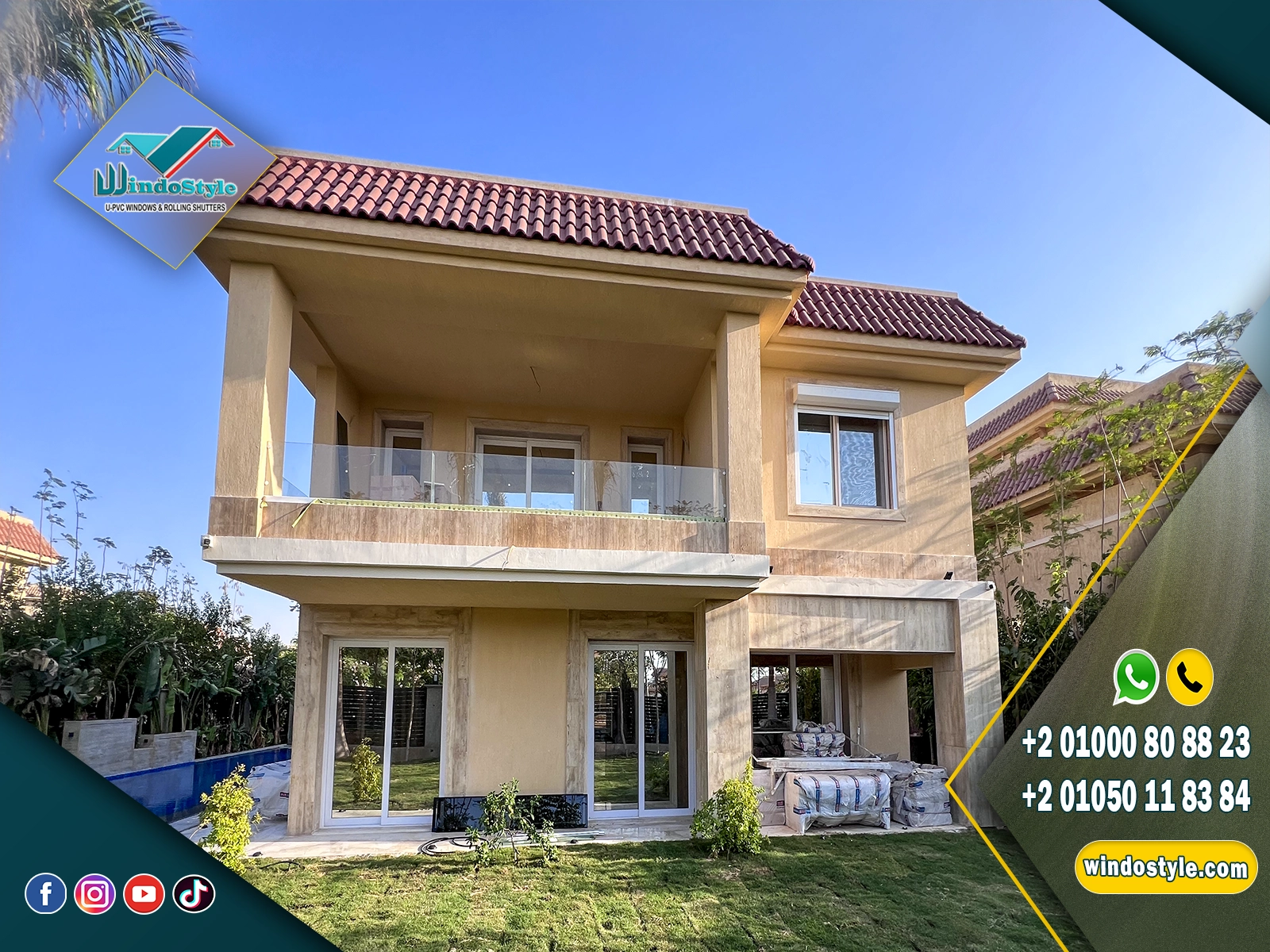
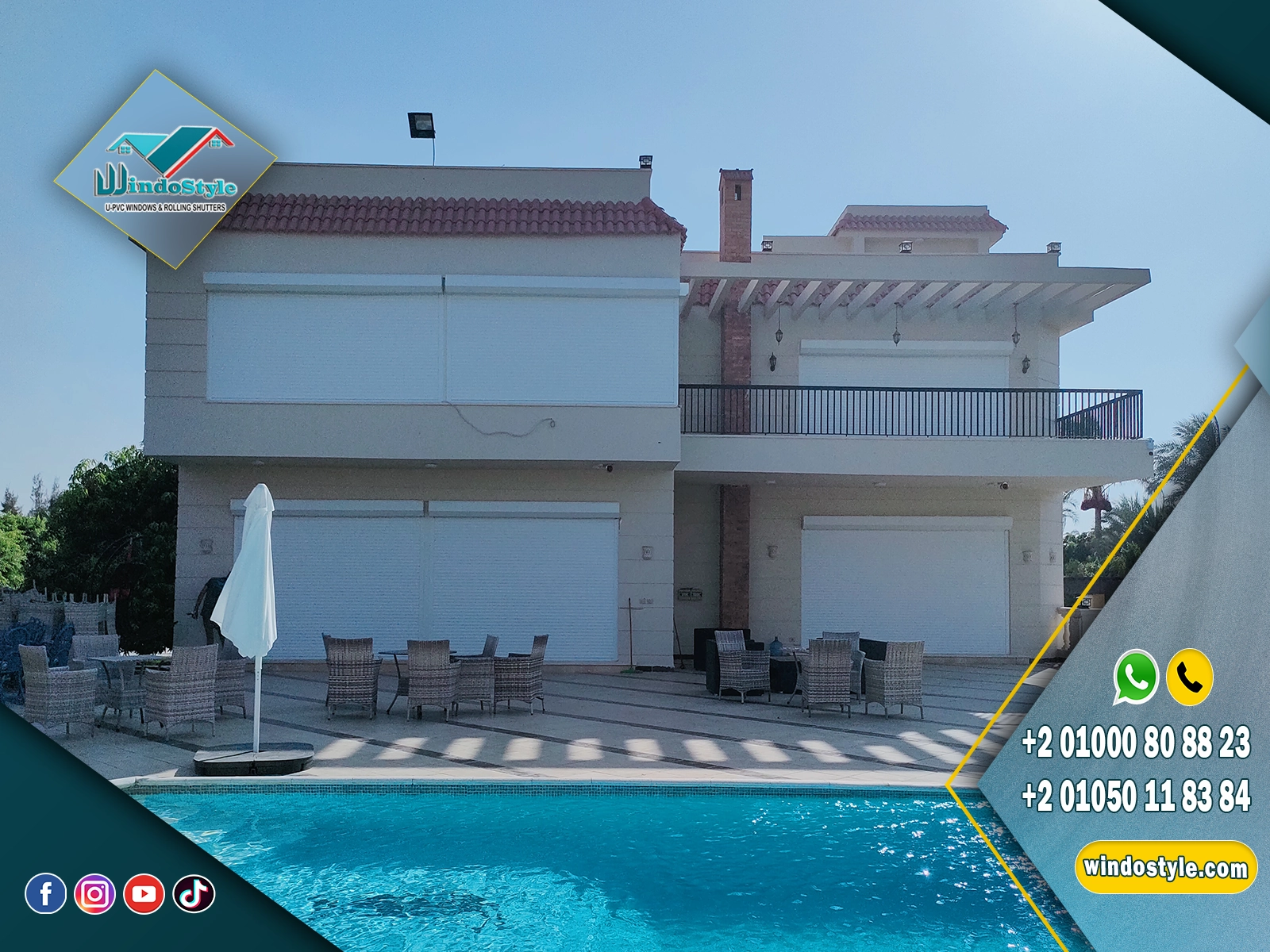
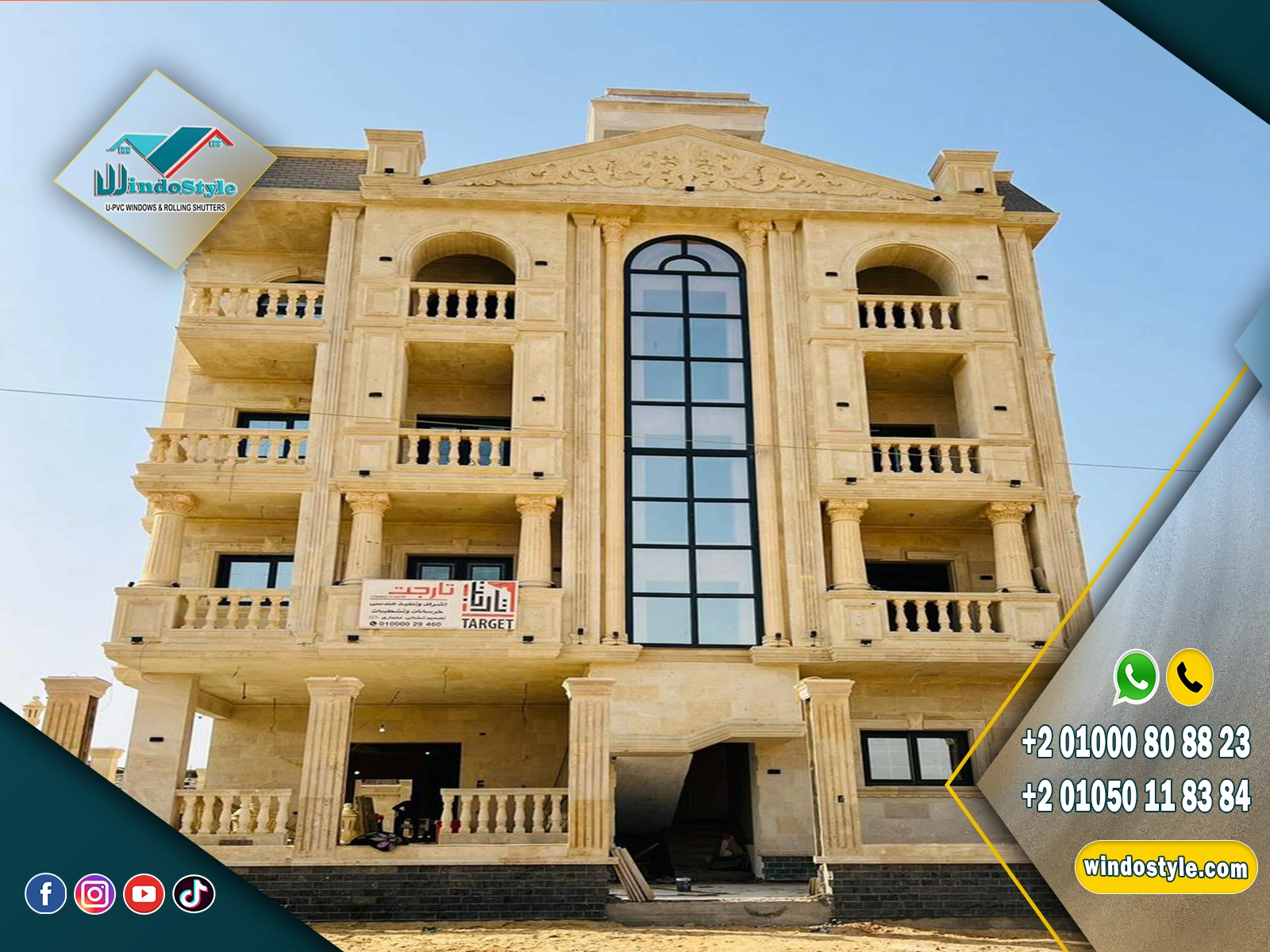
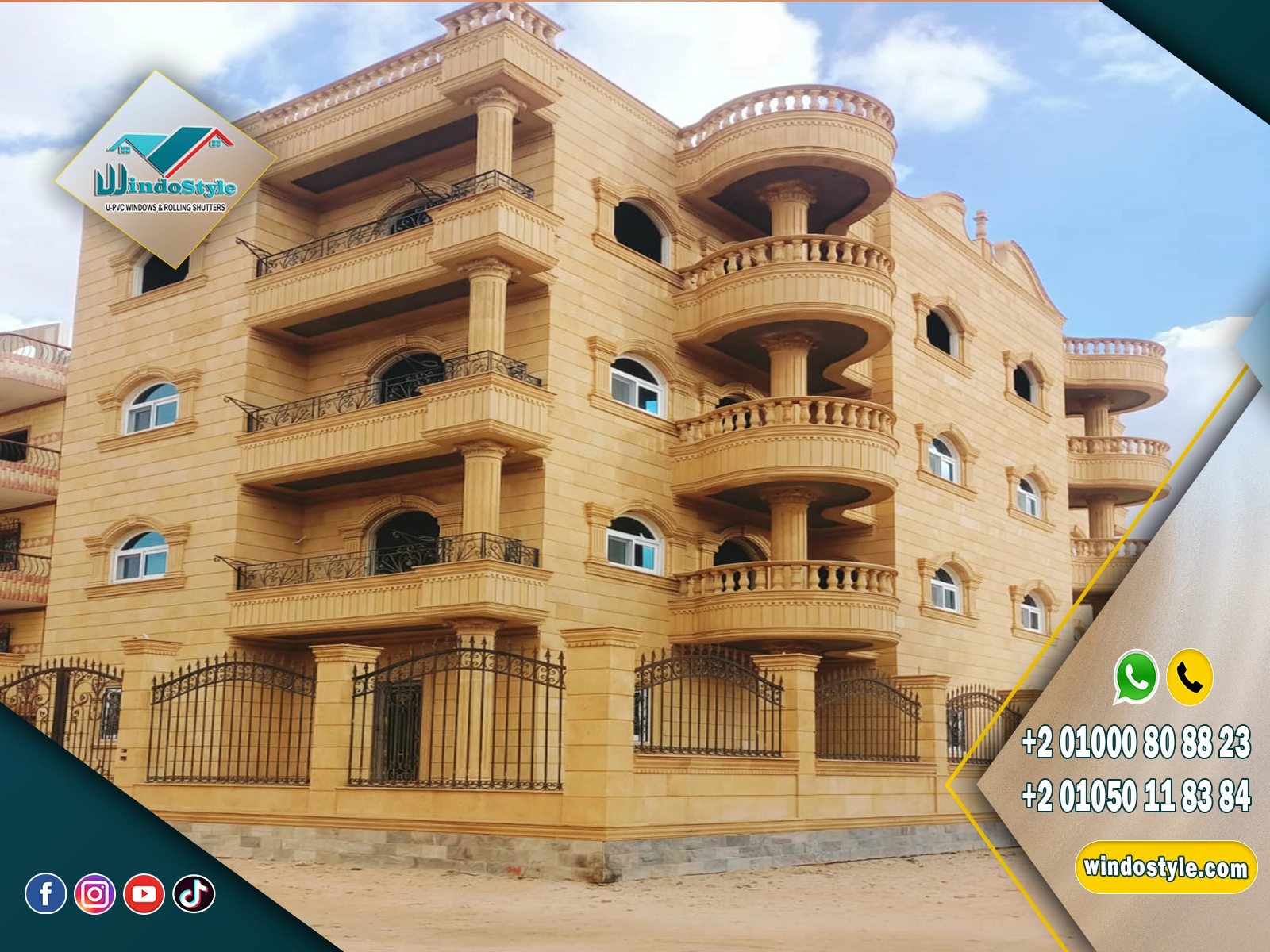
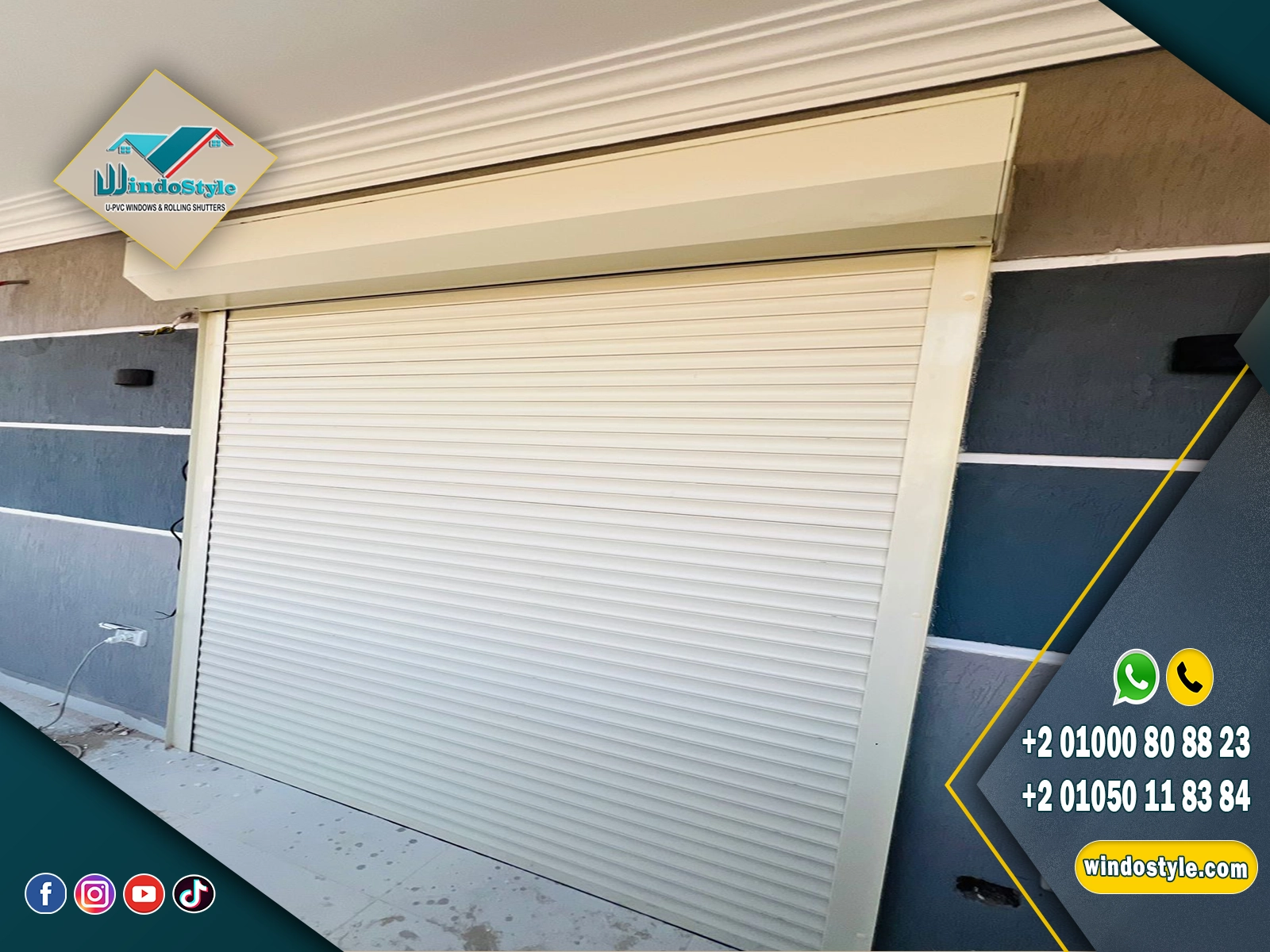
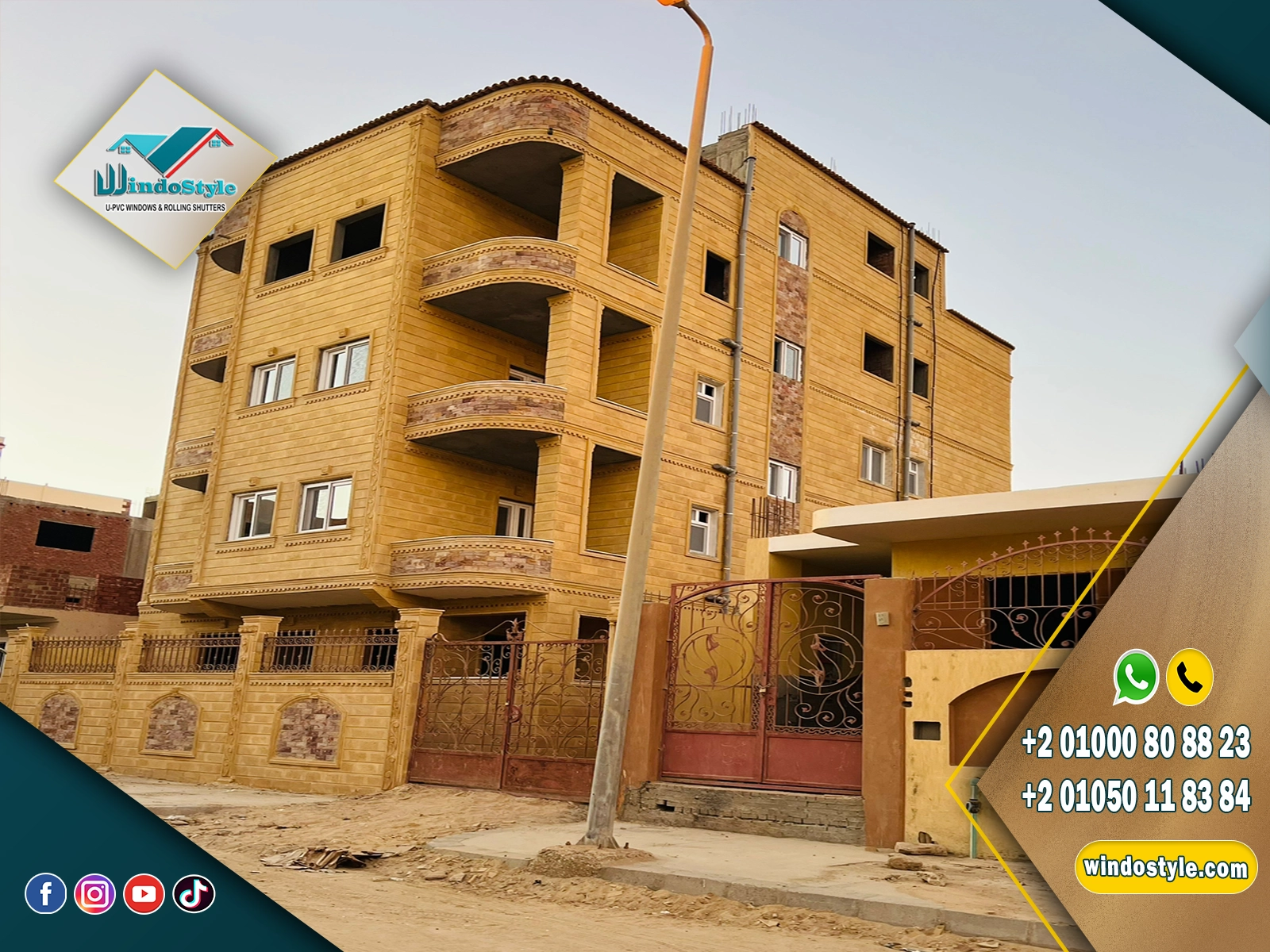
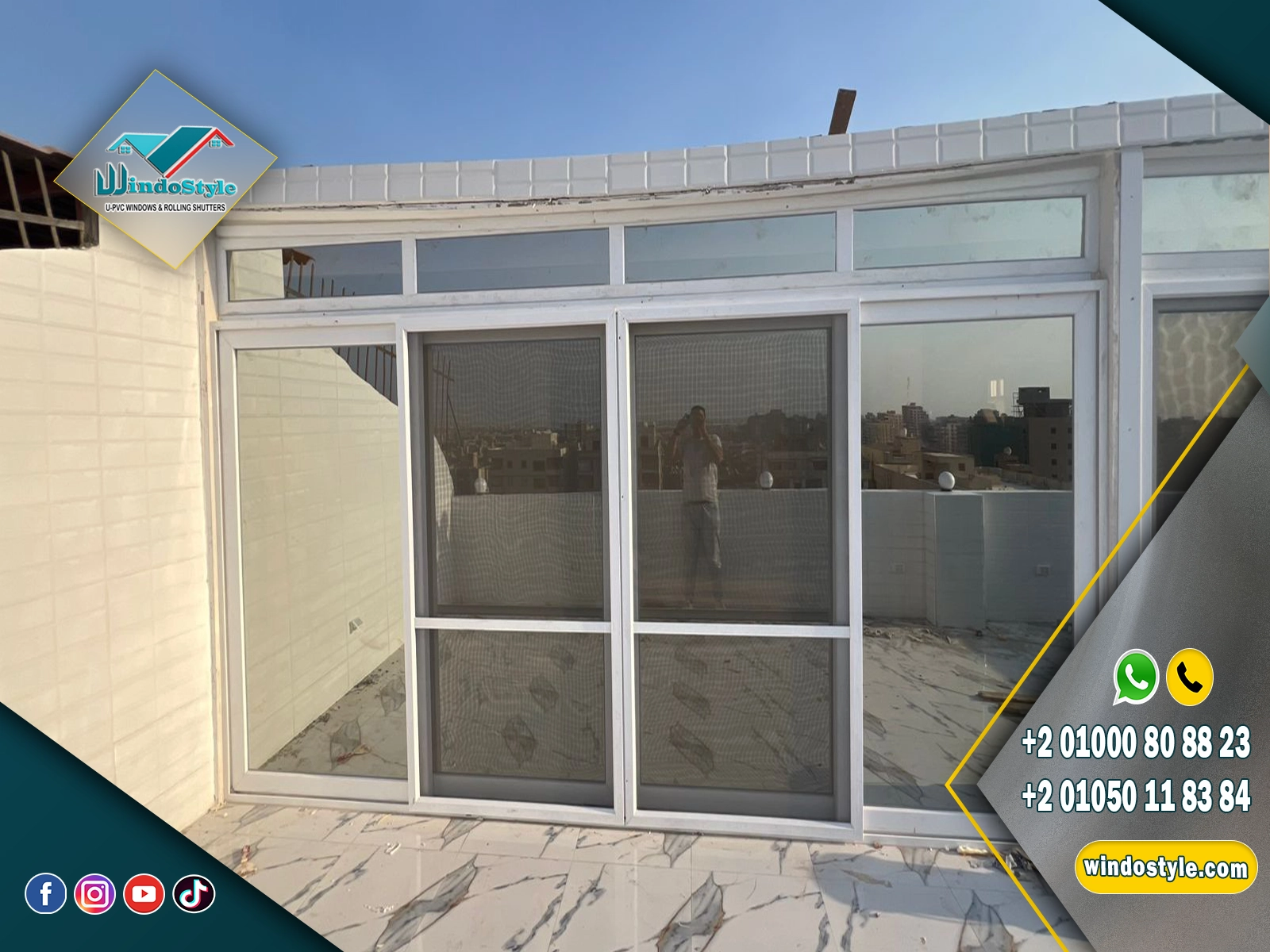
Check out our latest projects uPVC Windows&Doors and rolling shutters
Advantages of PVC material
Polyvinyl chloride (PVC) is one of the most popular materials in the industrial and construction sectors. Why? It combines several advantages that make it the ideal choice for many projects. Let's explore some of these key benefits.
Durability and long lifespan
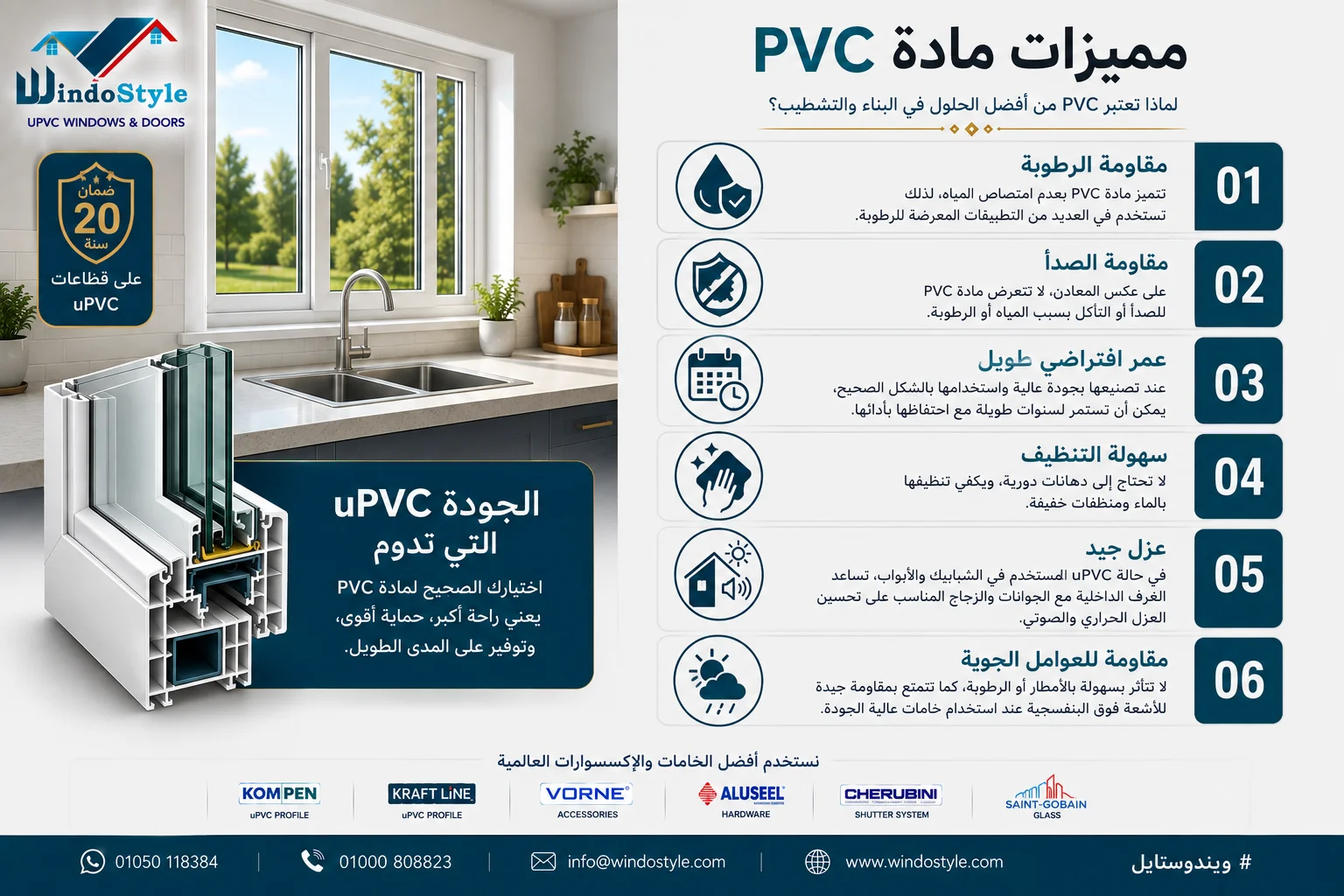
PVC is considered strong and durable compared to other materials. Despite being a plastic, it is incredibly resistant to wear and tear and impacts. Did you know that PVC can last for decades when used correctly? This makes it ideal for use in windows, pipes, and even flooring. For more details about Best types of PVCYou can visit Best types of PVC.
Environmental tolerance
When we consider harsh environmental conditions such as sun exposure, rain, or significant temperature changes, PVC stands out as a remarkably durable material. For example, PVC windows are less susceptible to weathering and corrosion than metal. Have you ever experienced rust on metal windows? With PVC, this is no longer a problem. Learn more about the importance of environmental resilience in products like windows and doors via [website/platform name]. PVC Doors & Windows.
Economic cost
When it comes to costs, PVC offers an economical solution compared to other materials. Whether you're considering drainage systems or wall coverings, you'll find that production and installation costs are lower with PVC. And in the long run, its durability ensures reduced maintenance and replacement costs. Therefore, it's a choice that offers both quality and economy. To learn more about purchasing decisions and tips regarding PVC, you can browse [website/link/etc.]. PVC disadvantages, advantages, and buying tips.
PVC combines durability, environmental tolerance, and competitive cost, making it the smartest choice for various projects.


Get a Price Quote free
Within 24 hours!
Cost including shipping.
Product details.
Production Time
Product drawings.
PVC material defects
Despite the widespread use of PVC in numerous applications, it has some drawbacks that can influence your decisions. Here, we will discuss the most prominent of these disadvantages from three different perspectives: the environment, health, and product installation and maintenance.
Environmental impacts: Discussion of the effects of PVC on the environment
PVC is one of the plastics that has a significant environmental impact. Its production requires considerable energy and generates harmful emissions, including carbon dioxide, thus increasing its carbon footprint. Furthermore, PVC disposal is difficult and not environmentally friendly; it is not biodegradable, leading to pollution.
When PVC waste is burned, harmful chemicals such as dioxins, which are among the most dangerous air pollutants, are released. These effects make it essential to consider more environmentally friendly alternatives. If you would like to learn more about these aspects, you can read the details on [website/platform name]. PVC material damage.
Health risks: Explaining the health risks associated with PVC use
The effects of PVC are not limited to the environment; they extend to health as well. When the material is exposed to heat or during its manufacturing process, it may release toxic gases such as vinyl chloride and hydrogen chloride. Inhaling these substances can cause serious respiratory problems and may increase the risk of developing chronic diseases.
On the other hand, there are concerns about some plastic components leaching into drinking water when PVC pipes are used in drainage and water systems. These leaks raise concerns about long-term health safety. You can explore more about these health effects in an article about PVC disadvantages, advantages, and buying tips.
Installation and maintenance problems: Highlighting potential problems during the installation and maintenance of PVC products
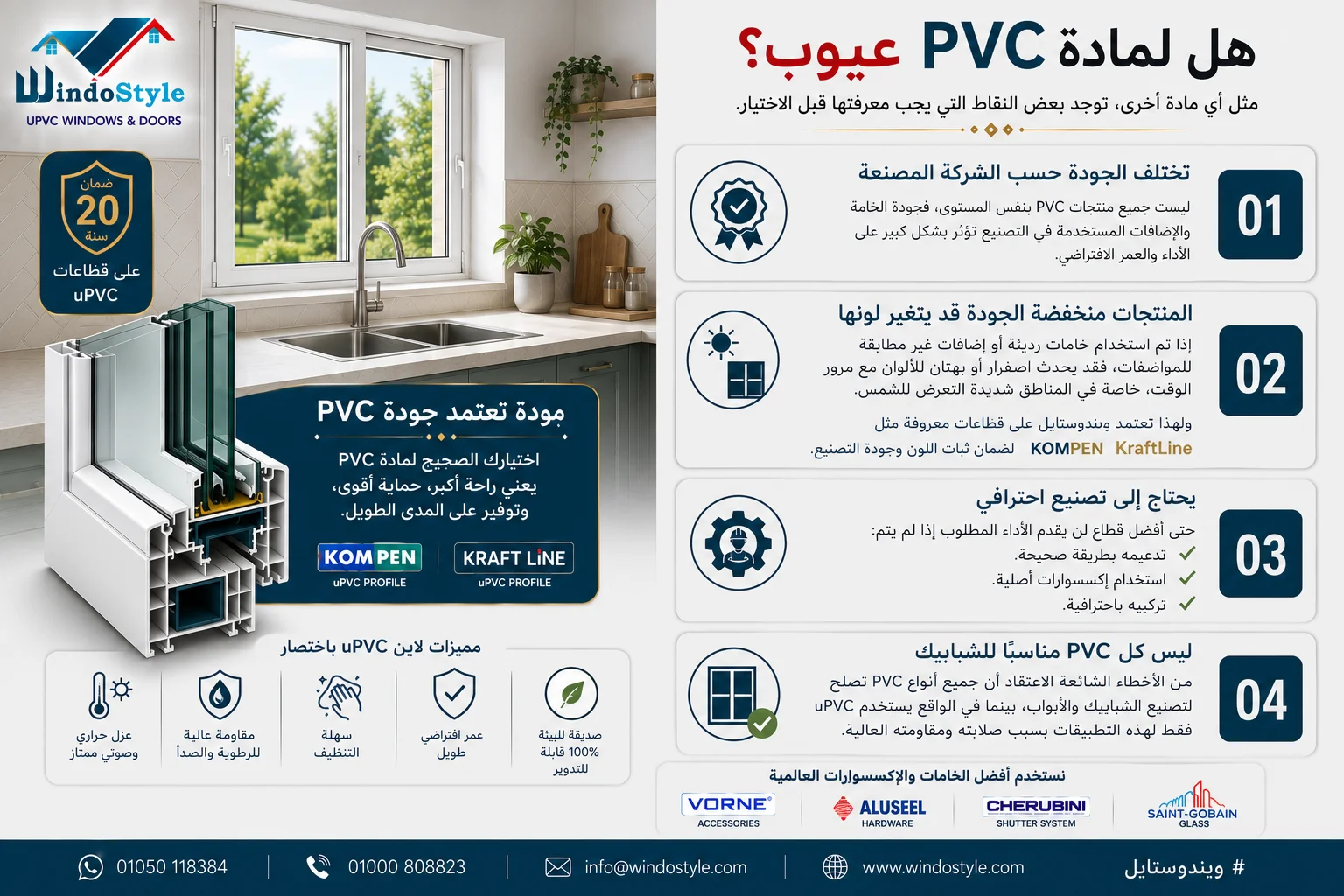
When it comes to installation, PVC products often require careful attention due to the material's flexibility, which makes it prone to bending during installation. This bending can cause alignment problems in window or door applications, subsequently leading to air leaks or reduced thermal insulation.
Regarding maintenance, although the material is resistant to moisture and mold, it may warp or discolor if exposed to direct sunlight for extended periods. Furthermore, repairing PVC products is complex, as restoration often requires replacing entire parts rather than addressing partial repairs. If you are considering PVC windows or doors, you can find more information on [website/platform name - missing from original text]. PVC window defects.
In this way, we can see the negative aspects of this material from multiple angles, which helps to make a balanced decision based on accurate information.
Possible solutions to reduce defects
Despite its unique advantages, PVC material may present some challenges for its users regarding deformation, environmental impact, or installation. However, there's no need to worry; practical and effective solutions exist to overcome these drawbacks and utilize it optimally.
Choosing alternative materials: A discussion about alternatives to PVC
If you're looking for materials to reduce your reliance on PVC, other options can be considered depending on the application. For example:
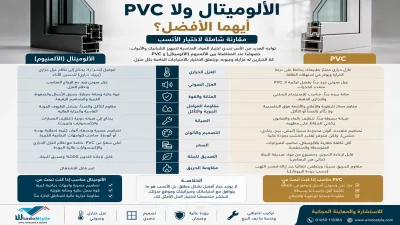
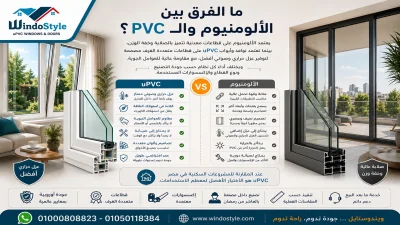
- aluminumIf you're looking for a strong yet lightweight thermal insulation material, aluminum is a good option. It also boasts a long lifespan and is recyclable.
- treated woodThis option is suitable for applications requiring a natural and luxurious look. However, it may require regular maintenance.
- renewable materialsSuch as bioplastics or products based on the new generation of more environmentally friendly building materials.
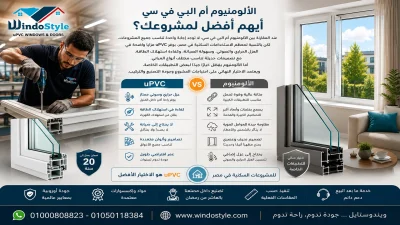
For further discussion comparing PVC to different alternatives such as aluminum, you can visit What are the disadvantages of PVC?.
Improving installation and maintenance methods: Introducing strategies to enhance PVC performance
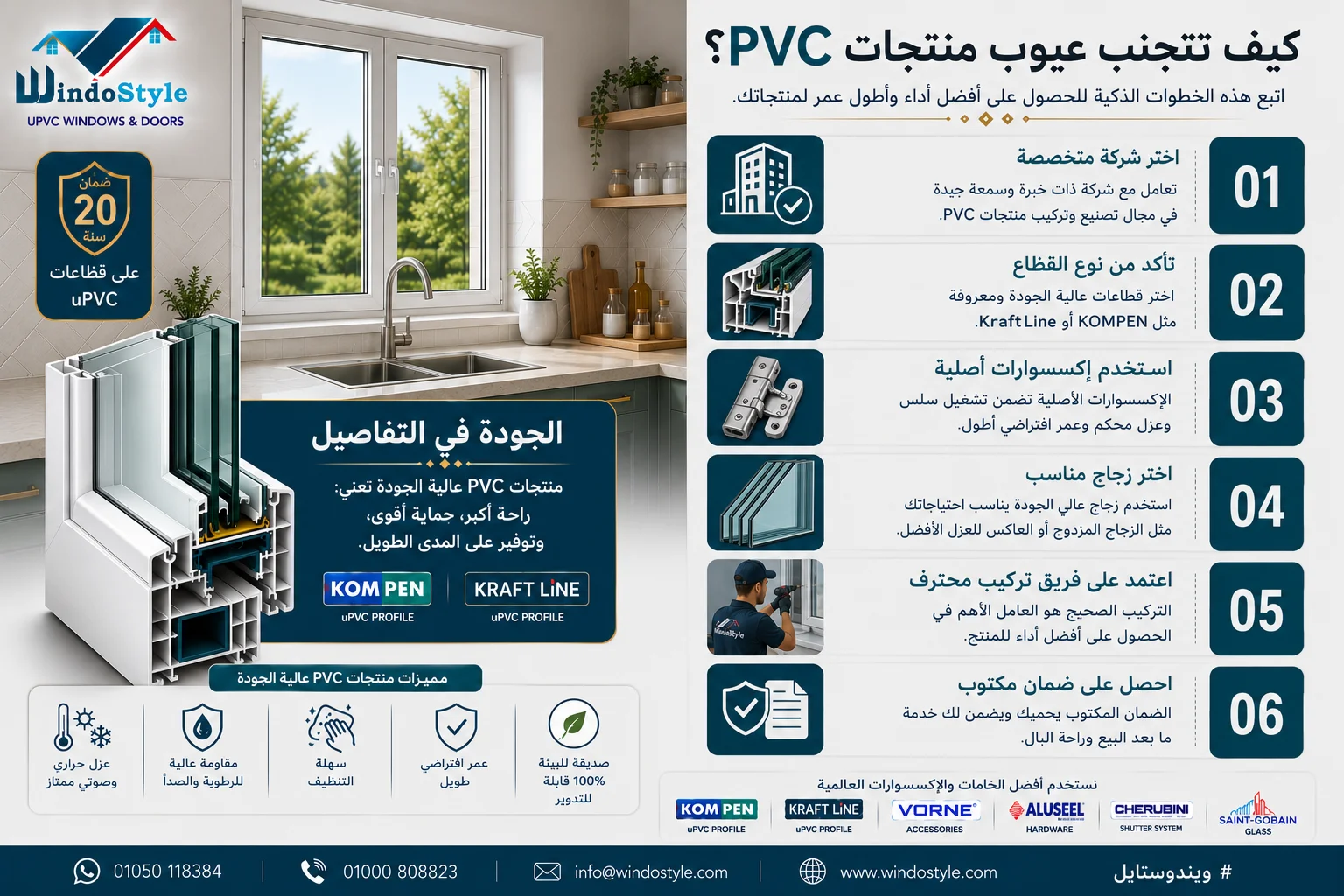
To achieve better performance of PVC materials, avoid common problems, and maintain them effectively, you can follow these steps:
- Choosing experienced specialistsAlways make sure to choose qualified installation experts to ensure that the parts are compatible and installed correctly.
- Apply a protective coatingTo prevent the effect of ultraviolet rays on the material, special protective materials can be used to extend its lifespan.
- routine maintenanceCleaning PVC products gently and using appropriate materials helps to maintain their appearance and quality.
If you encounter problems while installing or maintaining these materials, we recommend reviewing the available solutions by reading PVC disadvantages, advantages, and buying tips.
By following these solutions, you will be able to improve your experience using PVC materials and significantly reduce potential problems.
Conclusion
When discussing PVC, the debate surrounding its advantages and disadvantages is inevitable. While the material undoubtedly offers numerous benefits that make it a popular choice, it also comes with some challenges that must be considered. To better understand this material, we need to strike the right balance between its pros and cons.
Balancing disadvantages and advantages: The value of making an informed decision when using PVC
When considering the advantages and disadvantages of PVC, the decision to use it depends primarily on your individual needs and the properties you seek in the material. Do you require a durable material that can withstand harsh environmental conditions? Is price a major factor in your decision? These are all factors that should be taken into account.
Some key features include:
- Flexibility and low costThis makes PVC an ideal choice for a wide range of applications. Learn more. Advantages of PVC windows.
- Environmental toleranceIt is resistant to corrosion and dry and wet weather conditions, making it a popular choice in building and construction.
However, it is worth noting some drawbacks that may influence your decision:
- Environmental impactsDue to the difficulty of recycling them and their negative impact when disposed of.
- health effectsSome harmful gases may be emitted when exposed to high temperatures. For more details, please refer to [reference/source]. PVC disadvantages and tips when buying.
Therefore, the decision is yours. Are you willing to accept the drawbacks in exchange for the advantages? Or do you have other options that better suit your needs?
Available sectors for windows at windostyle.com :
KRAFTLINE ، KOMPEN KOM 700 PRIMELINE ، KOMPEN KOM 800 FORMLINE
Other links :


No comment