



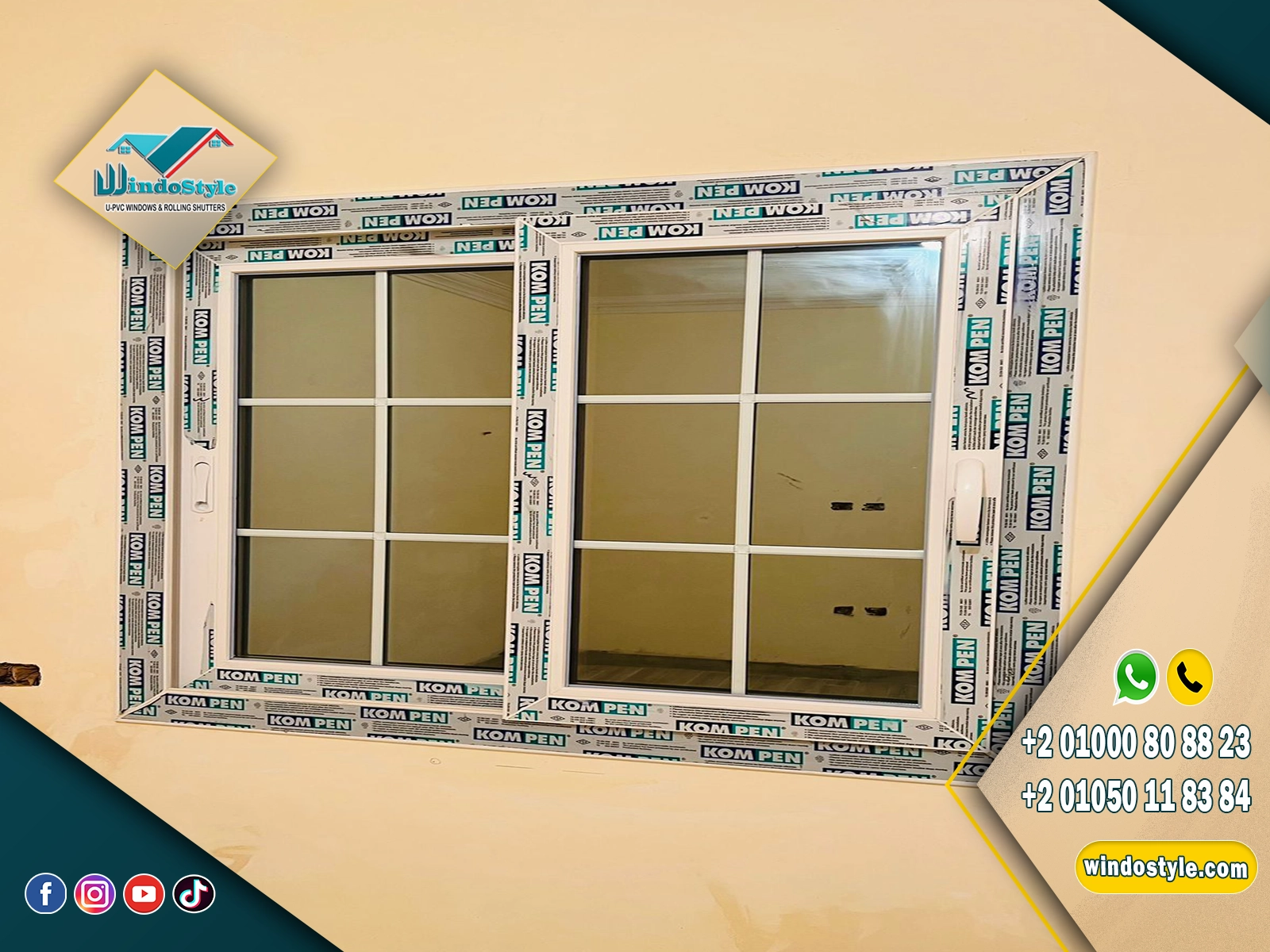
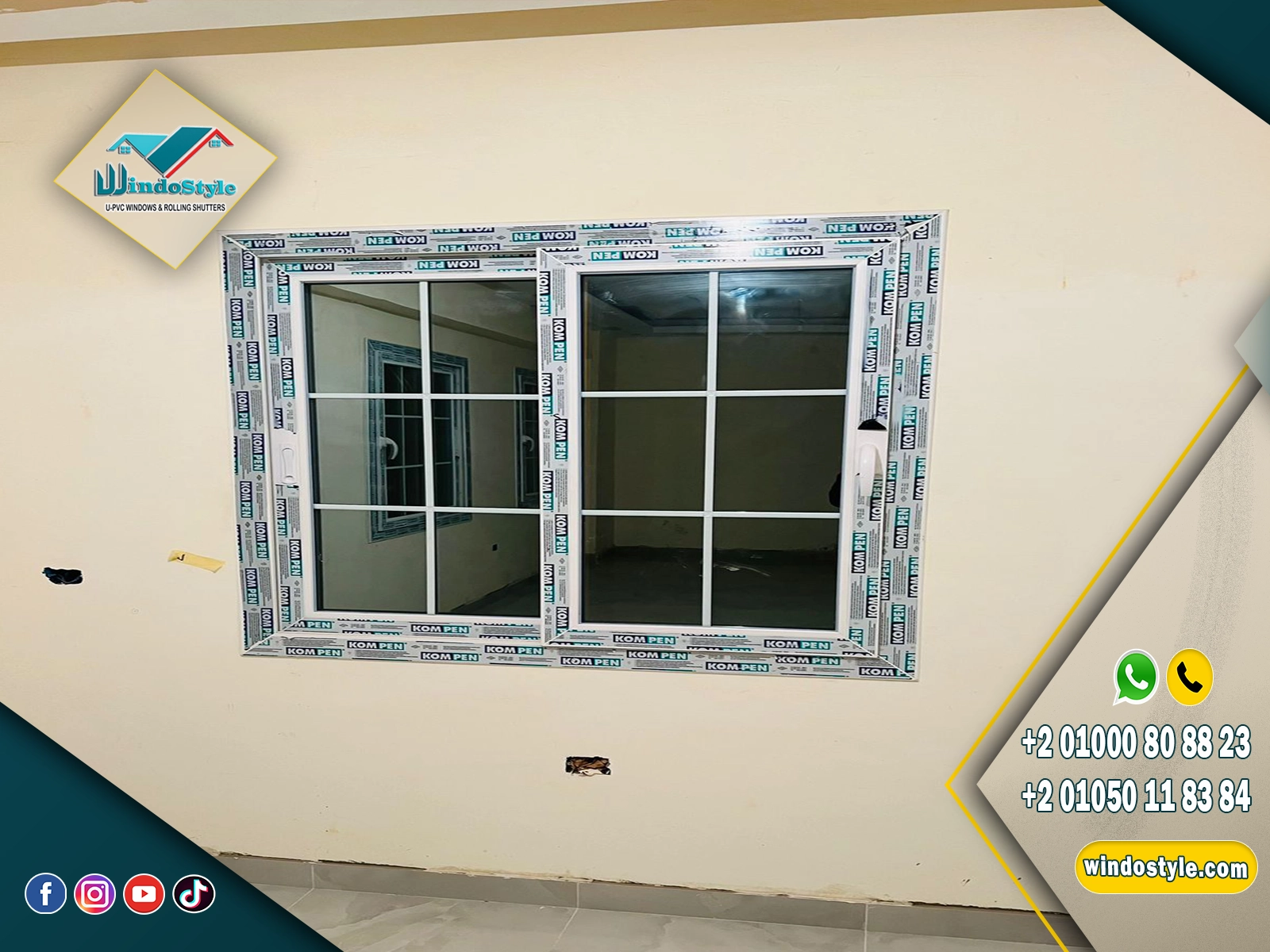
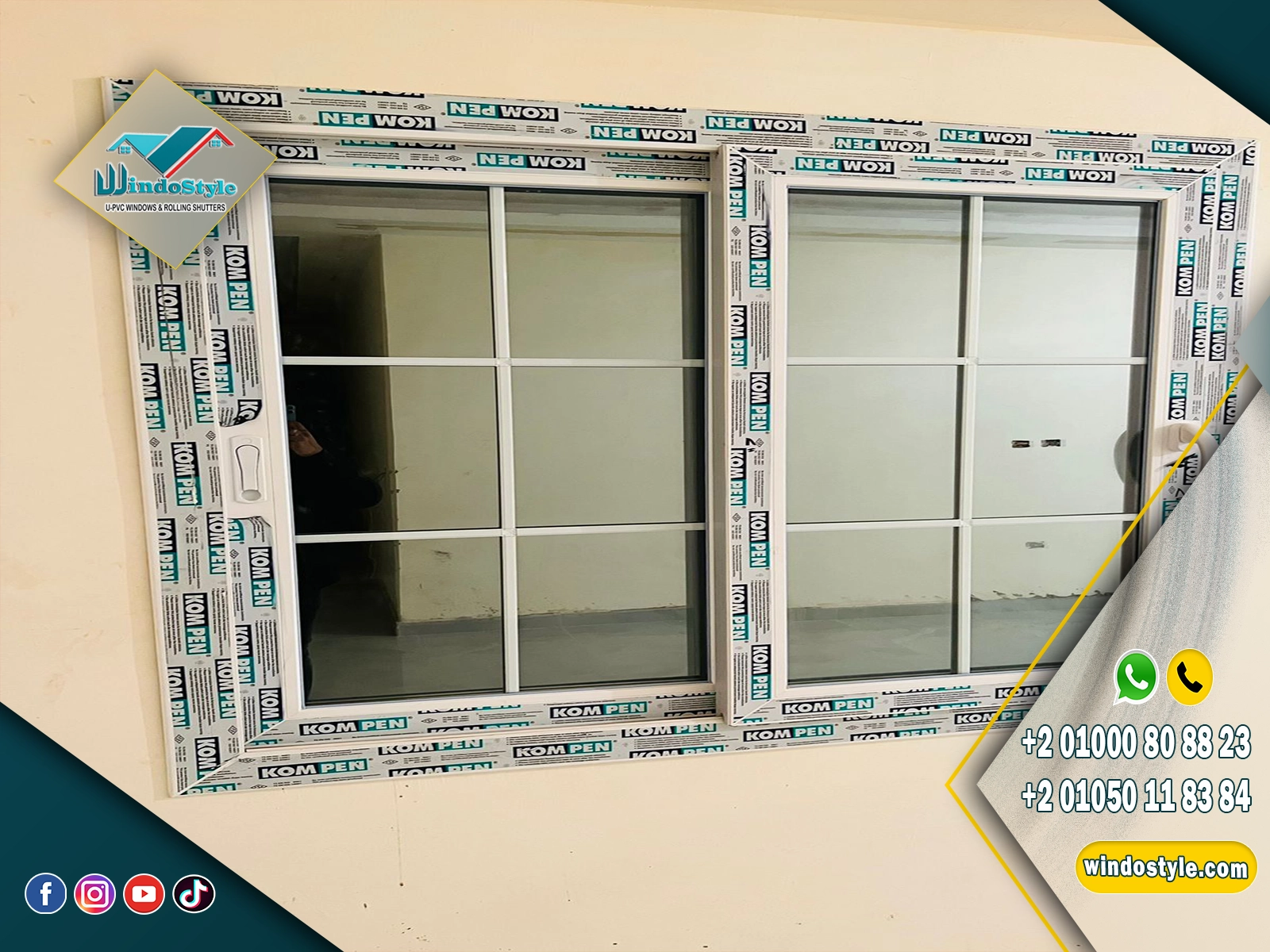

Get a Price Quote free
Within 24 hours!
Cost including shipping.
Product details.
Production Time
Product drawings.
uPVC Windows | A comprehensive photo guide to completed projects
uPVC windows are considered among the leading options in the modern window industry, as they offer a balanced combination of high performance, attractive design, and energy efficiency. Although uPVC material is not new to the market, continuous technological advancements have made it a focal point for architects and homeowners seeking practical, long-lasting solutions. In this article, we take you on a guided overview to gain a deeper understanding of uPVC technology.
Definition of uPVC: The Material and Its Key Properties
The term uPVC refers to Unplasticized Polyvinyl Chloride, a more advanced type of plastic that is widely used in the manufacturing of windows and doors due to its high ability to withstand harsh environmental conditions.
uPVC is considered an improved version of traditional PVC, where plasticizers are removed, giving it higher rigidity, better stability, and a longer lifespan, which makes it an ideal choice for modern architectural applications.
Key Properties of uPVC
Resistance to weather conditions
uPVC material is characterized by high resistance to moisture, ultraviolet (UV) rays, and sharp temperature fluctuations, without losing its efficiency or shape over time.
Effective thermal and acoustic insulation
uPVC windows contribute significantly to reducing heat transfer and noise, which helps provide a more comfortable indoor environment and reduce energy consumption.
Environmentally friendly material
uPVC is considered one of the materials that require lower energy consumption during manufacturing compared to traditional materials, and it is also recyclable, which enhances its environmental sustainability.
For more technical information about the properties of uPVC material, you can refer to:
[https://en.wikipedia.org/wiki/Unplasticized_polyvinyl_chloride](https://en.wikipedia.org/wiki/Unplasticized_polyvinyl_chloride)
History and Development: How Did uPVC Enter the Window Industry?
The use of uPVC windows began in Germany in the 1960s, where they emerged as a lighter and more economical alternative to wood and aluminum. With the advancement of manufacturing technologies during the 1970s and 1980s, the performance of uPVC improved significantly—particularly in thermal and acoustic insulation—which contributed to its widespread adoption worldwide.
Over time, uPVC products have become an essential element in the design of modern homes and commercial buildings, due to the interior comfort they provide and the aesthetic appearance that is consistent with contemporary architectural trends.
A more comprehensive historical overview can be found through:
https://www.pinterest.com/pin/948359634054129864/
Why Do Modern Companies Rely on uPVC?
Many companies rely on uPVC solutions because they provide:
High quality and long service life
Excellent insulation efficiency
Flexible modern design
Economical cost compared to other alternatives
This meets the needs of consumers who are seeking a balance between strong performance and aesthetic appeal.
uPVC WindowsCost-effectiveMultiple optionsAesthetically pleasingWith free maintenanceFrom WindoStyle
We offer you expertise gained over twenty years in the uPVC doors and windows industry, enabling us to provide tested, proven, and certified products.
We provide you with a complete package — pre-sales consultation, a wide range of products, on-site measurement, professional installation, and after-sales service.
No comment