




Get a Price Quote free
Within 24 hours!
Total cost including shipping.
Product details.
Manufacturing time.
Product drawings.
PVC Door: Advantages, Uses, and Disadvantages – A Comprehensive Pre-Purchase Guide
PVC doors are among the practical options widely used in modern interior designs, as they combine lightweight construction, durability, and ease of maintenance. With the significant development in polyvinyl chloride materials, these doors have become a suitable solution for many residential and commercial applications, especially in areas exposed to moisture.
Before making a purchase decision, it is recommended to review the guide on choosing the right PVC doors for homes to understand the key differences between the various types.
What is a PVC door?
PVC door is a door manufactured from treated **polyvinyl chloride (PVC)**, a synthetic material characterized by high resistance to water, moisture, and various environmental factors. This material is widely used in architectural and construction industries due to the stability of its physical properties and its long-term durability, as explained in the technical overview of PVC material, in addition to the specialized scientific reference available at [https://en.wikipedia.org/wiki/Polyvinyl_chloride](https://en.wikipedia.org/wiki/Polyvinyl_chloride).
For this reason, PVC doors are a popular choice in environments that require durability and ease of cleaning.
Advantages of PVC Doors
High resistance to moisture and water
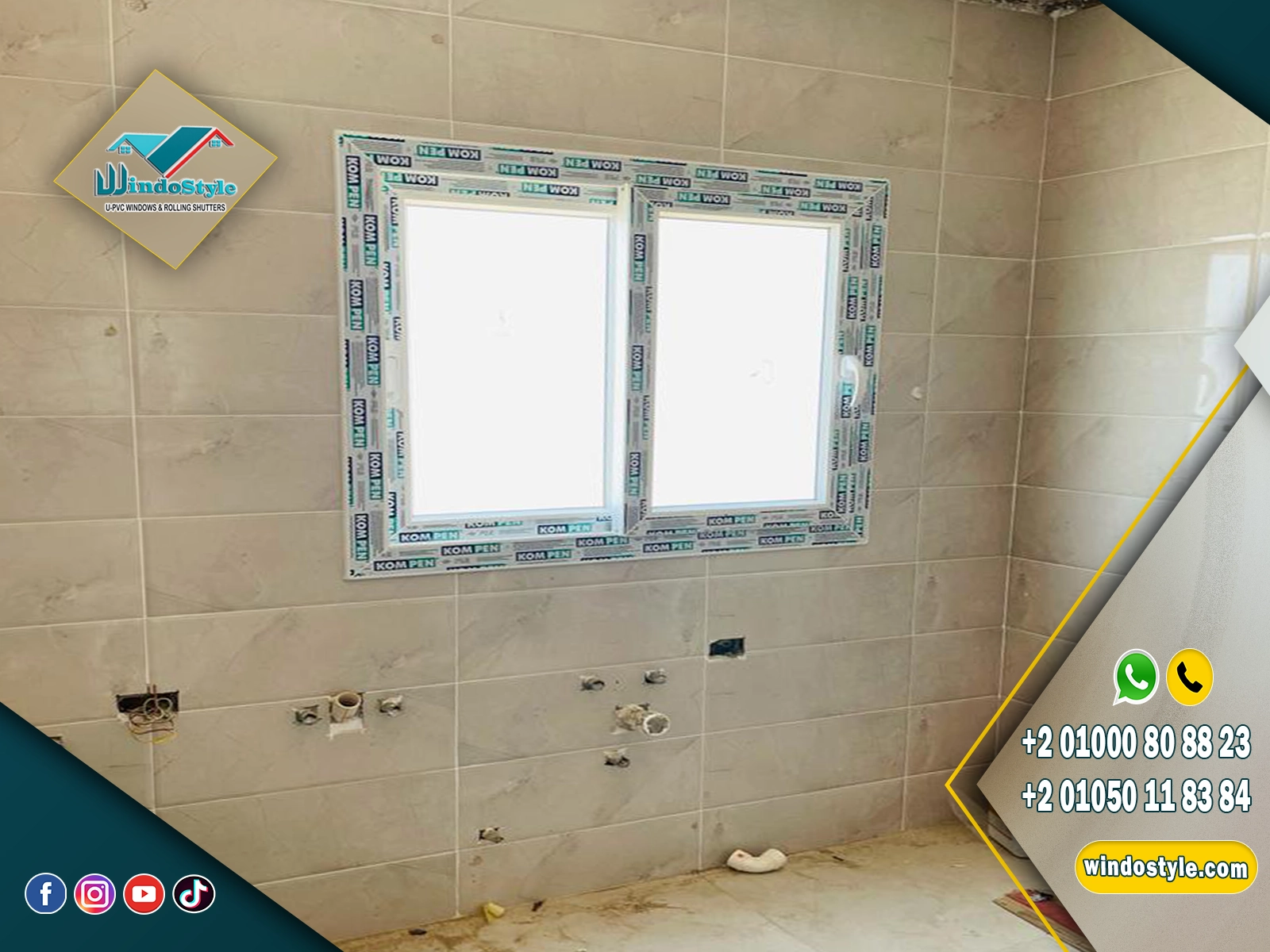
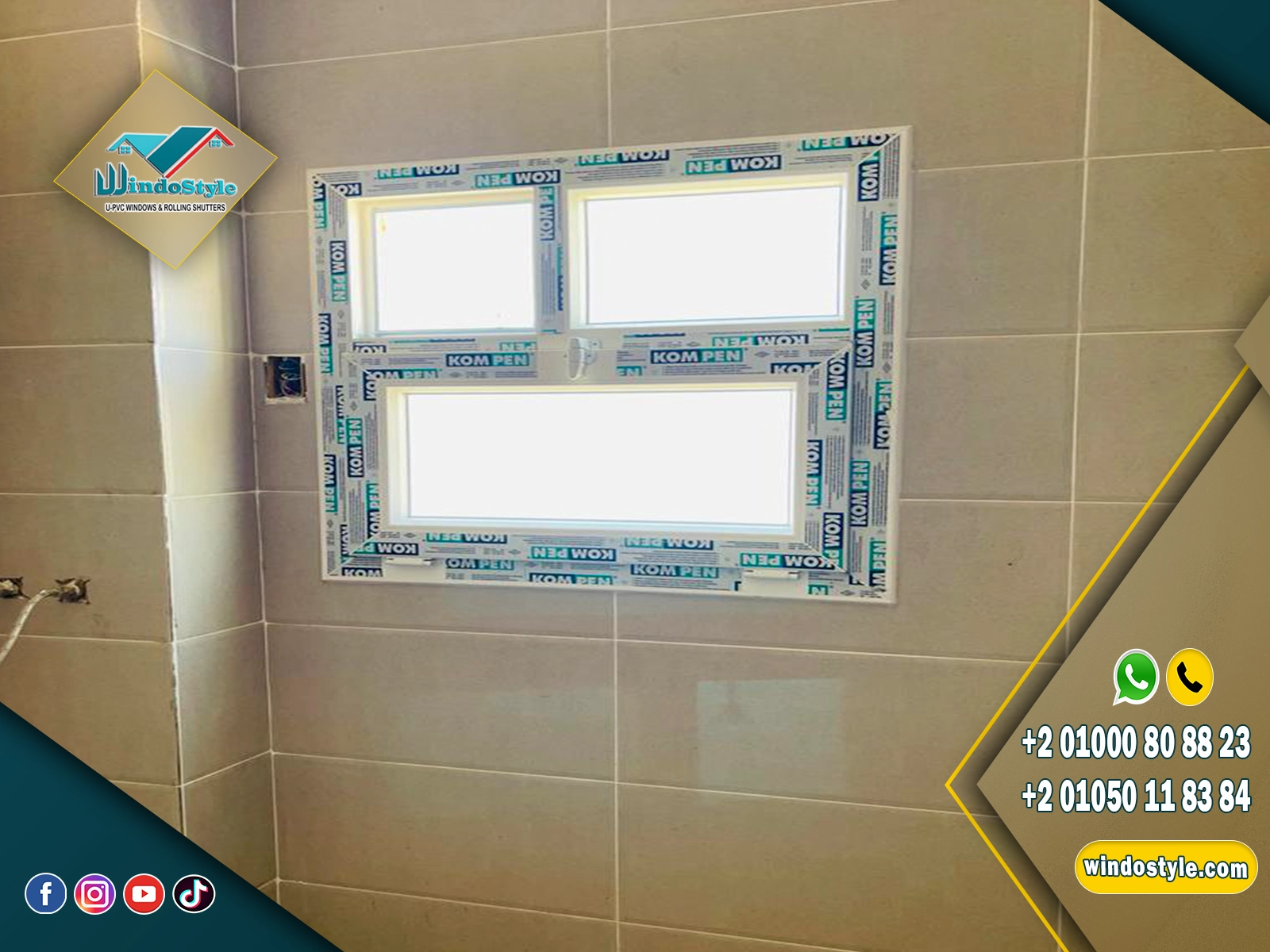
Water resistance is considered one of the most important advantages of PVC doors, which makes them ideal for bathrooms and kitchens. For this reason, many people prefer them over traditional wooden doors, as we explained in the comparison PVC door or wooden door? Which is better?.
Good thermal and sound insulation
PVC doors help reduce heat transfer and noise transmission, which has a positive impact on indoor comfort and energy efficiency, especially when combined with modern insulation solutions.
Energy efficiency studies highlight the importance of insulation in reducing thermal loss, as stated in [https://www.energy.gov/energysaver/energy-efficient-doors](https://www.energy.gov/energysaver/energy-efficient-doors).
Easy installation and maintenance
A PVC door does not require complex periodic maintenance and can be easily cleaned, making it a practical choice for everyday use, especially in residential units and offices.
Resistance to corrosion and insects
Unlike wooden doors, a PVC door is not affected by termites or moisture, which is an important point we discussed in detail in the article Advantages and disadvantages of PVC doors.
Multiple designs and economical price
PVC doors are available in a wide range of colors and designs that suit different interior styles. They are also more cost-effective compared to wooden or metal doors, making them an economical long-term choice.
Uses of PVC Doors
Interior doors for homes
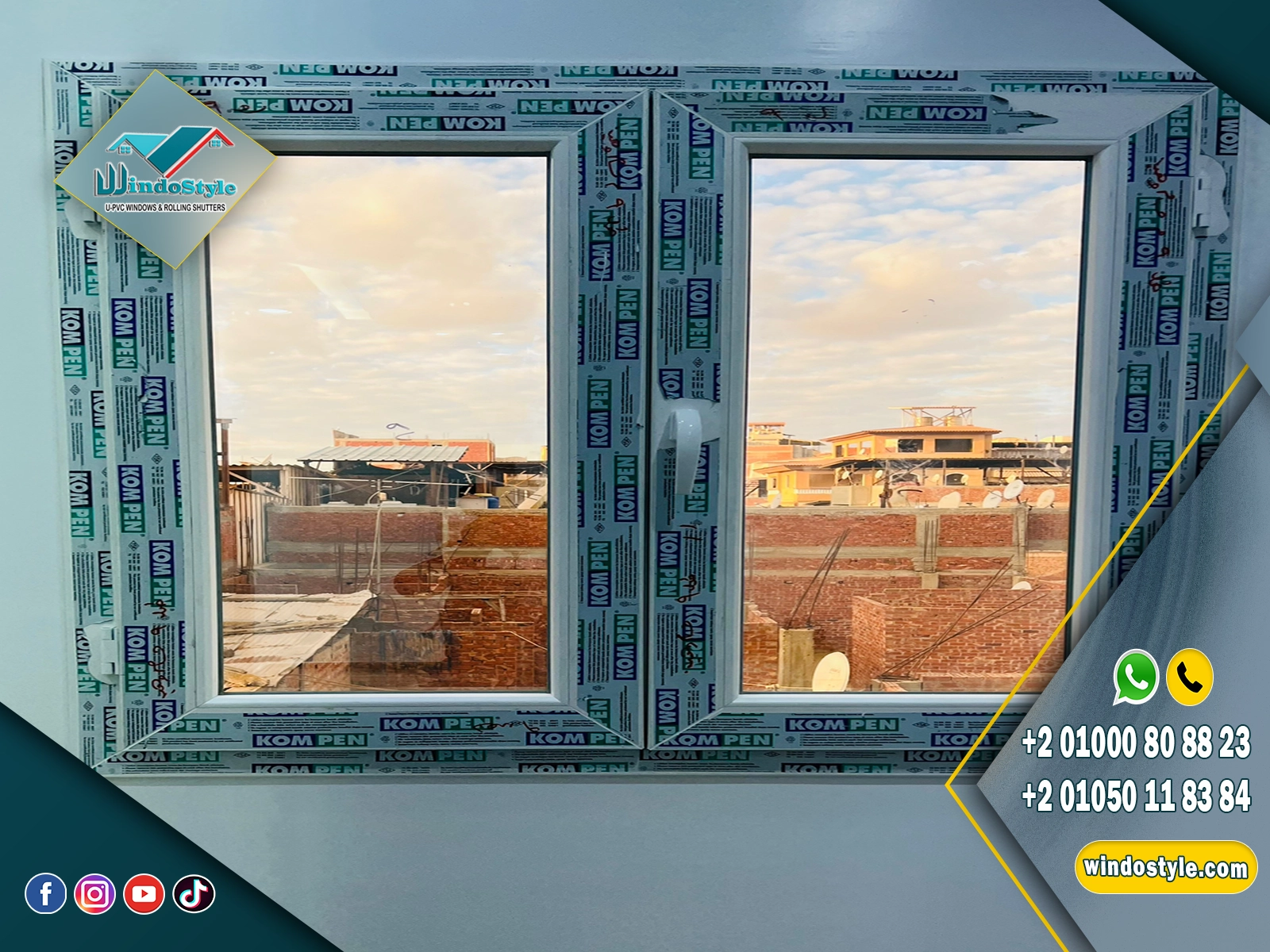
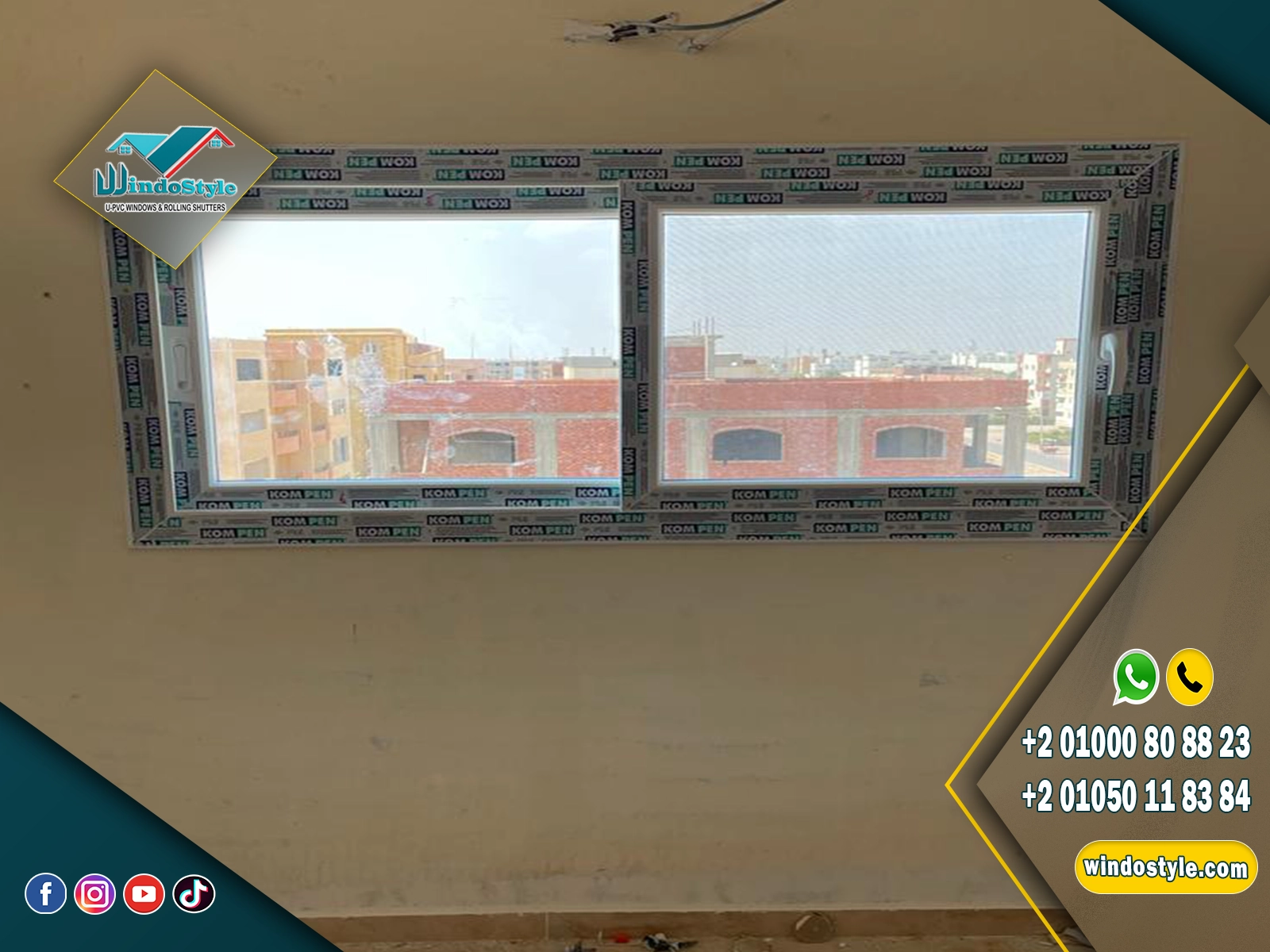
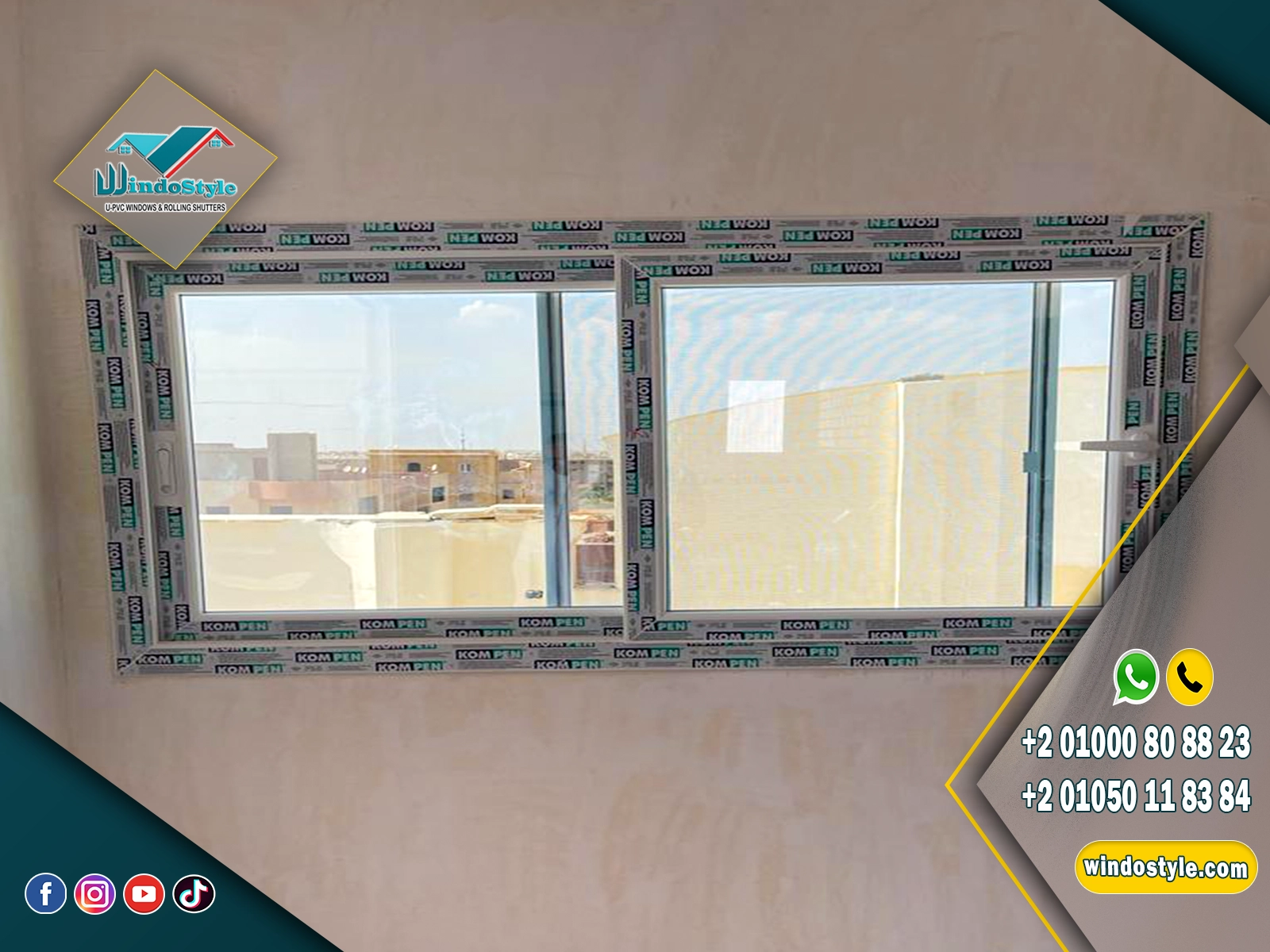
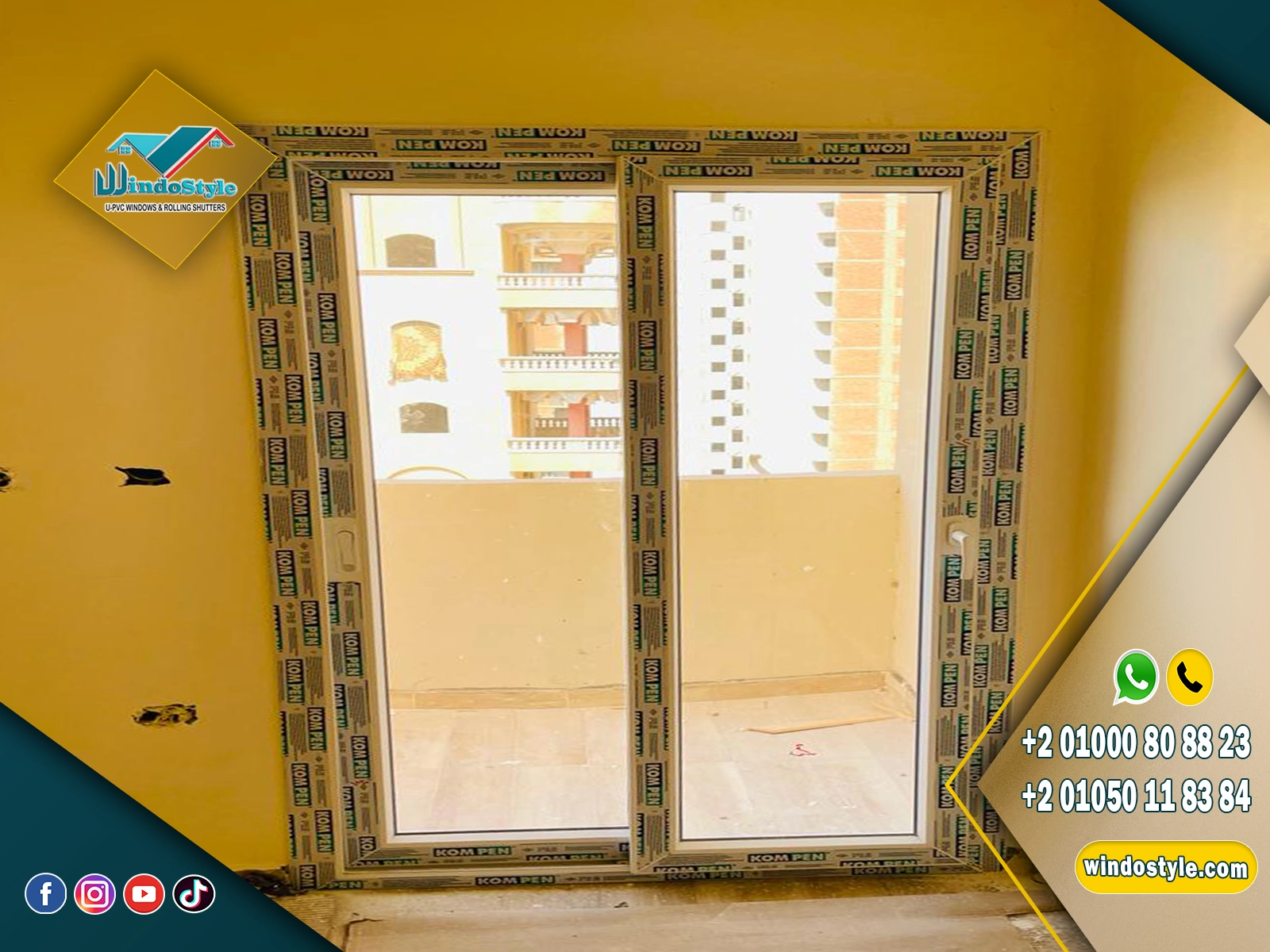
PVC doors are used in bedrooms, bathrooms, and kitchens due to their lightweight structure and ease of cleaning. They can also be integrated with PVC windows to achieve comprehensive insulation performance.
Lightweight exterior doors
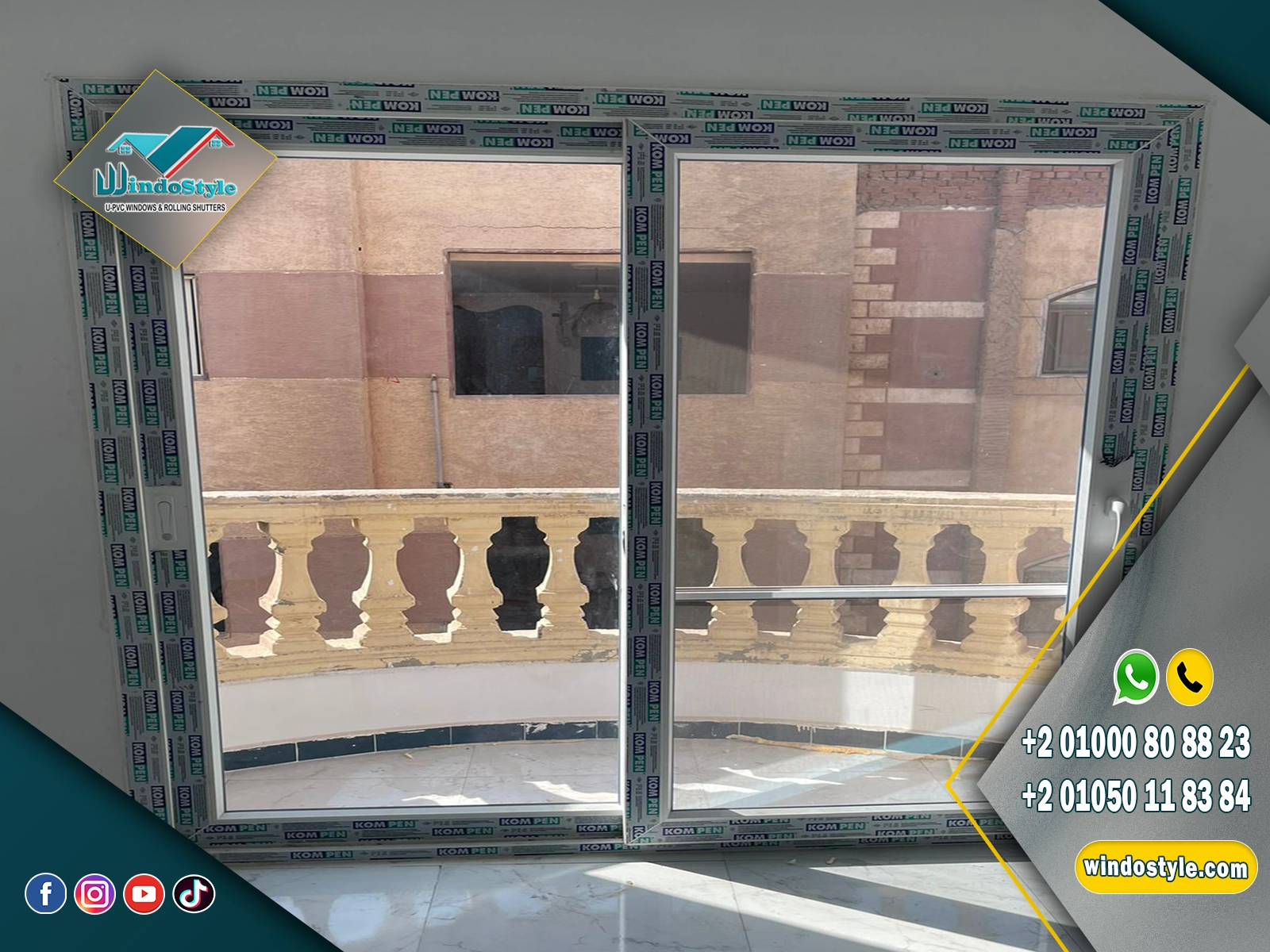
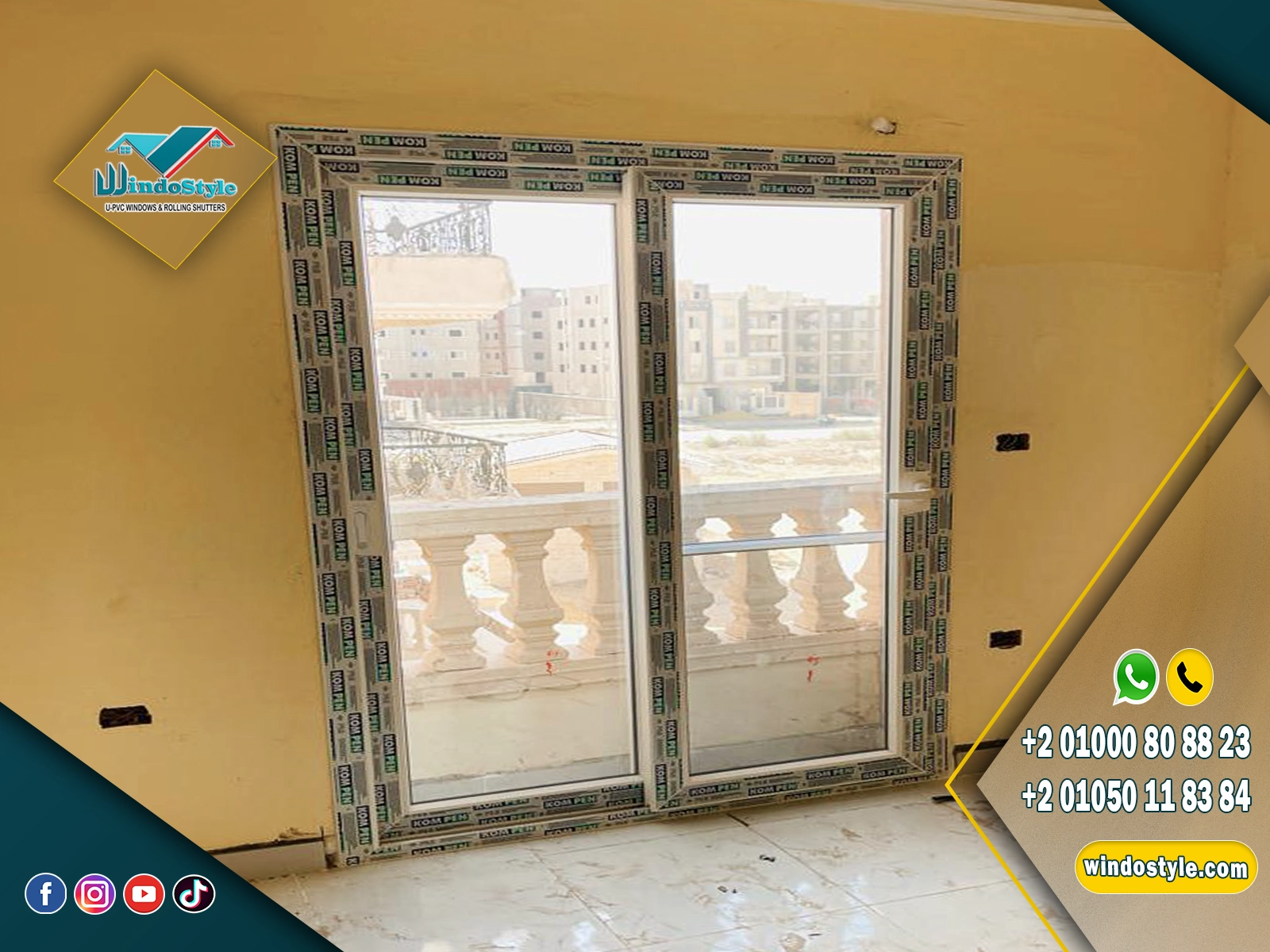
They can be used on balconies or in gardens, provided that a reinforced and suitable type is selected for outdoor exposure, taking the nature of the climate into consideration.
Offices and institutions
They are considered a suitable option for offices and companies, as they provide a quiet environment and an elegant appearance with minimal maintenance effort.
Hospitals and schools
Thanks to their ease of sanitization and resistance to moisture, PVC doors are used in places that require a high level of cleanliness.
Disadvantages of PVC Doors
Lower strength compared to wood or metal
Despite their durability, a PVC door does not withstand strong impacts with the same efficiency as heavy metal or wooden doors.
Sensitivity to high temperatures
PVC doors may be affected when exposed directly and continuously to very high temperatures; therefore, it is not recommended to use them without protection in areas exposed to sunlight for long periods.
Limited customization
The options for carving or modification are more limited compared to wooden doors, despite the availability of multiple ready-made designs.
Is a PVC door a suitable option for you?
If you are looking for a practical, easy-to-maintain, moisture-resistant door at a reasonable cost, a PVC door is considered an ideal option, especially for interior use. You can further support your decision by reviewing the PVC door selection guide by usage.
Types of PVC Doors
PVC doors are available in multiple types, including solid and hollow doors, as well as doors with simple or decorative designs, giving you flexibility in choosing according to the nature of the space and its intended use.
For further details, you can review Types of PVC doors and their uses.
Conclusion
PVC doors are considered a practical solution that combines durability, water resistance, and ease of maintenance, while offering a cost that suits most applications. Despite some drawbacks, choosing the right type and using it in the appropriate location makes a PVC door a smart investment for modern homes and offices.
uPVC WindowsCost-effectiveMultiple optionsAesthetically pleasingWith free maintenancefrom WindoStyle
We offer you expertise gained over twenty years in the uPVC doors and windows industry, enabling us to provide tested, proven, and certified products.
We provide you with a complete package — pre-sales consultation, a wide range of products, on-site measurement, professional installation, and after-sales service.
No comment